Getting around
Amsterdam Public Transport: The Complete Guide to Trams, Metro, Buses and Ferries
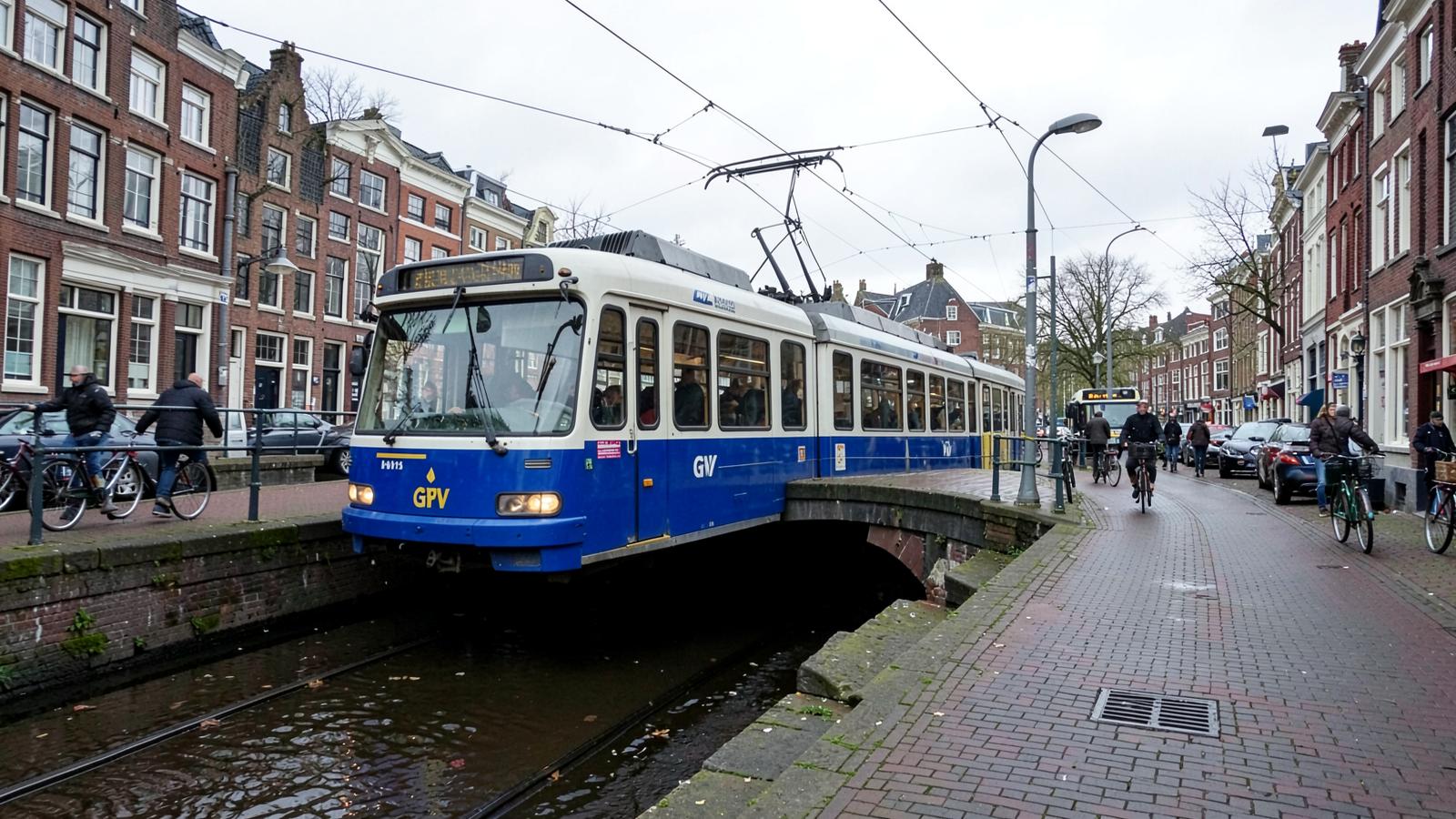
Amsterdam's public transport network is run mostly by GVB, and once you understand the basics it is genuinely easy to use. This guide walks through trams, metro, buses and ferries, how to pay, which pass makes sense for your trip, and a few habits that will save you from an awkward moment with a conductor.
The city is compact enough that many visitors barely need public transport for sightseeing in the centre, but it becomes essential once you are staying outside the Canal Ring, heading to De Pijp or Amsterdam Noord, or catching a night bus after the last tram has gone. GVB operates the trams, metro lines, buses and the free ferries across the IJ, while NS runs the national trains that connect Amsterdam to Schiphol and other Dutch cities.
If you are still deciding where to base yourself, it is worth reading our guide to where to stay in Amsterdam alongside this one, since your choice of neighbourhood affects how much you will lean on trams versus simply walking or cycling.
How to pay: OVpay and contactless
The simplest way to travel in 2026 is OVpay, the contactless payment system that lets you tap your bank card or phone directly on the yellow and grey readers at metro gates, tram doors and bus entrances. There is no need to buy a ticket in advance.
See our full guide on paying for Amsterdam transport for more detail. You must tap in at the start of every journey and tap out at the end, even on trams and buses where there is no gate. Fares are calculated by distance, so forgetting to tap out at the end of your trip means you risk being charged a maximum fallback fare. On the metro you tap in and out at the yellow poles by the gates; on trams and buses the readers are near the doors.
Trams, metro, buses and ferries
Trams are the backbone of the network and the easiest way to get a feel for the city, since most lines pass through or near the centre. Our separate Amsterdam tram guide covers routes and etiquette in detail if you want the full picture, including which lines pass the Rijksmuseum, Vondelpark and De Pijp.
Our dedicated Amsterdam metro guide covers this in more depth, but the metro is faster for longer hops, particularly the Noord/Zuidlijn (line 52) connecting Amsterdam Noord to the south via Centraal and Zuid stations, and the ring lines (50, 51, 53, 54) that serve the outer districts. Buses fill in the gaps, especially useful late at night and for reaching areas like Amsterdam Noord or the outskirts not covered by tram lines.
Ferries across the IJ river, run by GVB, are free for pedestrians and cyclists and a genuinely pleasant way to reach Amsterdam Noord, NDSM Wharf or the EYE Filmmuseum. They run frequently, some 24 hours a day, and you simply walk or wheel your bike on.
Night buses
Once trams and the metro stop running, usually around midnight to 1am, a network of night buses (numbered in the 300s) takes over on major routes until early morning. They run less frequently, often every 30 to 60 minutes, so check the GVB app or Google Maps before relying on one to get you home.
Tickets and passes: what to actually buy
See our Amsterdam travel cards guide for a full comparison. For a short visit, OVpay contactless is usually the least hassle and often cheaper than a pass if you are only taking a handful of rides. For longer stays or heavy use, GVB's unlimited day passes can work out better value, especially if you are combining sightseeing trips across trams, metro and buses on the same day.
| Option | Rough price | Best for |
|---|---|---|
| OVpay tap in/out | Pay per journey, distance-based | Short stays, occasional trips |
| GVB 1-hour ticket | Around €3.50 | A single tram or bus hop |
| GVB 24-hour pass | Around €10.50 | A full day of sightseeing by tram/metro/bus |
| GVB 48-hour pass | Around €17.50 | Two-day city breaks |
| GVB 72-hour pass | Around €23.50 | Three-day itineraries, see our [3-day itinerary](/itineraries/amsterdam-3-day-itinerary) |
| GVB 4 to 7-day passes | From around €29 upward | Longer stays or slow travellers |
| I amsterdam City Card | Bundles transport with museum entry | Museum-heavy trips (compare against separate tickets) |
GVB versus NS trains
GVB and NS are separate companies with separate ticketing, which trips up a lot of visitors. GVB runs city trams, metro and buses; NS runs the yellow-blue intercity and sprinter trains that link Amsterdam Centraal, Amsterdam Zuid and other stations to Schiphol, Utrecht, Rotterdam and beyond.
OVpay works across both networks using the same contactless tap in/out system, but the fares are calculated separately, so a journey involving both a train and a tram will show as two separate charges on your statement. If you are planning day trips, our guide to day trips from Amsterdam has more on which stations to use for each destination.
Buying and topping up
- Contactless bank card or phone: works immediately, no setup needed, tap in and out every time.
- GVB tickets and passes: buy via the GVB app, at Tickets & Info shops, or from the yellow machines near major stops.
- OV-chipkaart: the older Dutch travel card is being phased out for casual travellers in favour of OVpay, so most visitors can skip it.
- Group and family tickets: check the GVB website for occasional discounted options if travelling with several people.
Accessibility
Most metro stations have lifts, and newer tram models are low-floor with a fold-out ramp that the driver can extend on request. Older tram types on some lines still have steps, so if you use a wheelchair or have a pushchair, it is worth checking the GVB accessibility pages for your specific route before travelling, or timing your trip for a low-floor tram.
Practical tips for first-time riders
- Board through any door on trams and buses, but always tap in as you board and tap out as you leave.
- Metro platforms have full-height gates; you cannot get onto the platform without tapping in.
- Download the GVB app or use Google Maps, both give live departure times which are usually accurate to the minute.
- Keep your phone or card ready before you reach the reader to avoid holding up the queue.
- If you are cycling instead, see our cycling in Amsterdam guide, since bikes and trams share some of the same streets and it helps to know the rules both ways.
Final thoughts
Amsterdam's public transport is dense, frequent and easy to use once you have tapped in a couple of times. For most short trips OVpay is the path of least resistance, while a multi-day GVB pass earns its keep if you are moving around a lot each day. Whichever you choose, remember it is a completely separate system from NS trains, which matters most when you are working out how to get here from Schiphol in the first place. Pair a day pass with our 2-day or 3-day itinerary and you can cover most of the best things to do in Amsterdam without ever needing a taxi.
Frequently asked questions
- Do I need to buy a ticket before boarding a tram in Amsterdam?
- No. You can simply tap a contactless bank card or phone on the reader as you board, and tap out again when you leave. There is no need to buy a paper ticket in advance for casual trips.
- Is a GVB day pass worth it?
- It depends on how much you travel. If you are taking more than three or four rides in a day, a 24-hour pass at around €10.50 usually works out cheaper than paying per journey with OVpay.
- Can I use my GVB pass on the train to Schiphol?
- No. GVB passes only cover Amsterdam's trams, metro, buses and ferries. The train to and from Schiphol is run by NS and charged separately, even if you tap with the same card.
- What happens if I forget to tap out?
- The system will usually charge you a maximum fallback fare for that journey, since it cannot calculate the distance you actually travelled. Always tap out, even if you are in a hurry.
- How late do trams and the metro run?
- Most trams and metro lines stop between roughly midnight and 1am, after which a network of night buses takes over until the morning services resume.
- Are the ferries across the IJ really free?
- Yes, for pedestrians and cyclists the GVB ferries to Amsterdam Noord, NDSM and other spots across the water are free and run frequently, some around the clock.
Sources
Keep reading
Guides that pair well with this one.

Getting around
Schiphol to Amsterdam: Train, Bus, Taxi or Uber – What to Actually Take
Comparing the train, Amsterdam Express bus, taxi and Uber from Schiphol Airport to Amsterdam, with prices, times and station tips.
9 min read
Getting around
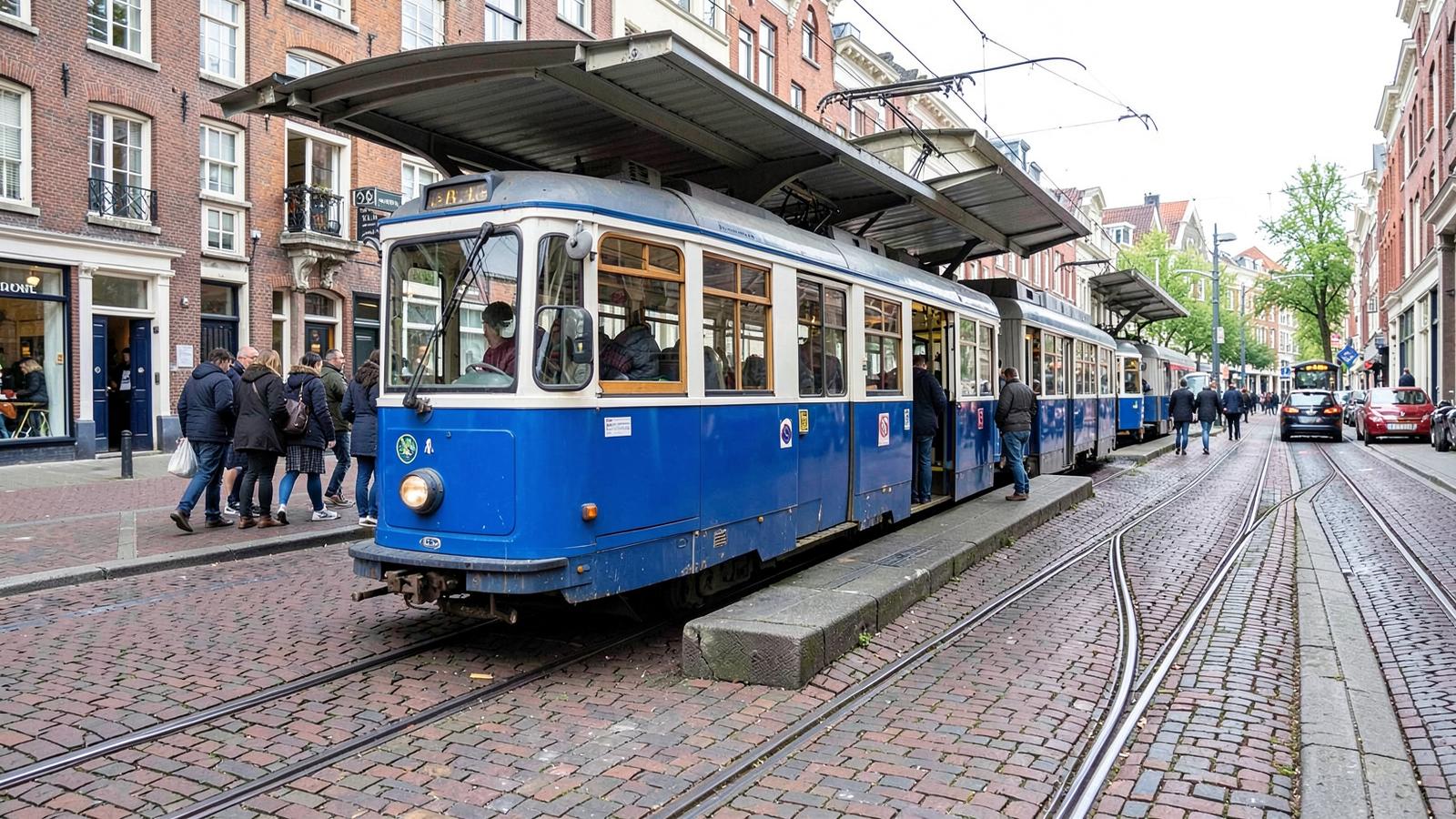
The Amsterdam Tram Guide: Key Lines, Fares and Etiquette
How Amsterdam's trams work, the most useful lines for visitors, boarding rules, fares and unwritten etiquette to know before you ride.
9 min read
Getting around
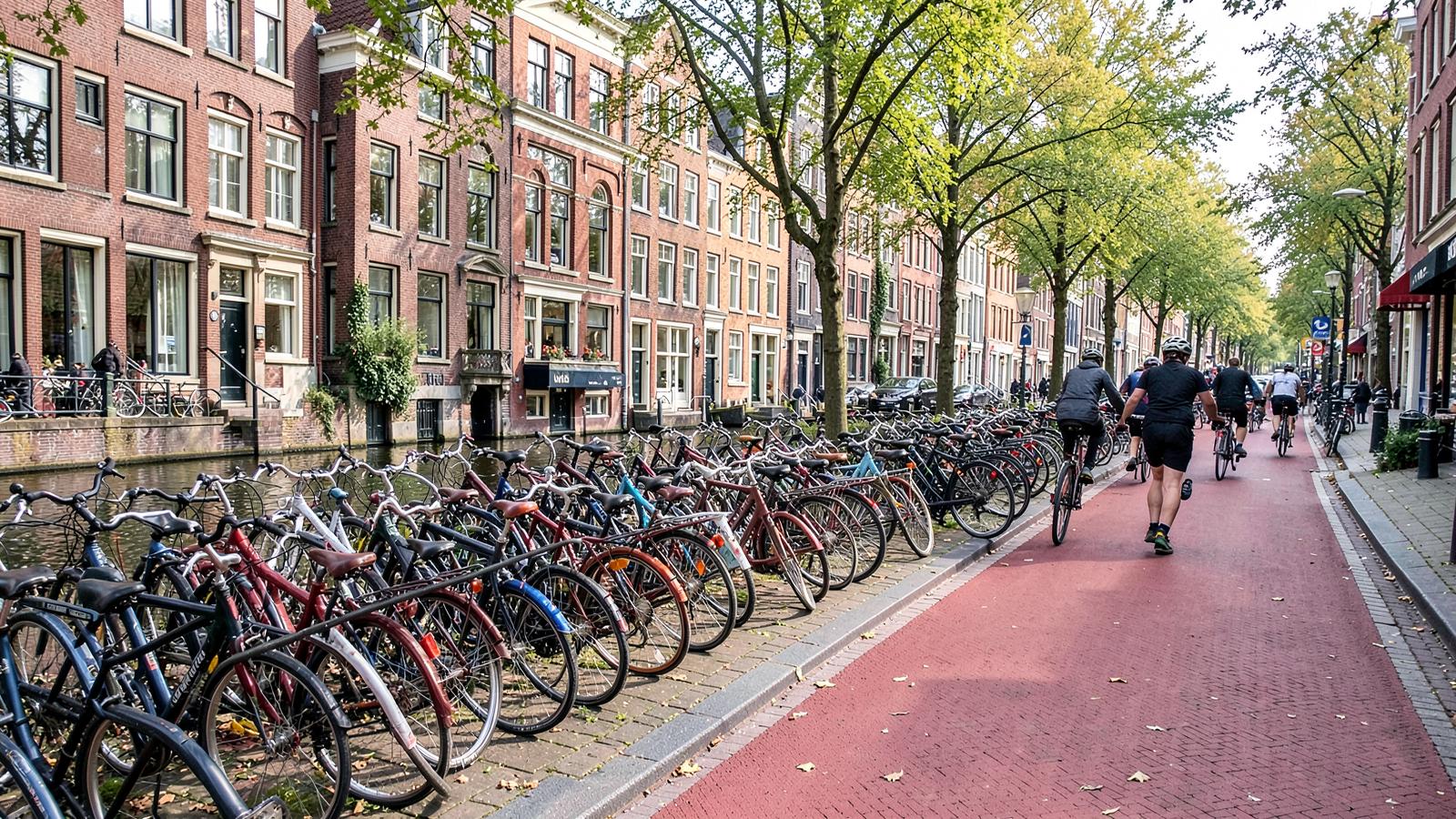
Cycling in Amsterdam: A Practical Guide for First-Timers
How to rent a bike, follow the rules and cycle safely in Amsterdam, from tram tracks to hand signals and where beginners should not ride.
11 min read
Itineraries
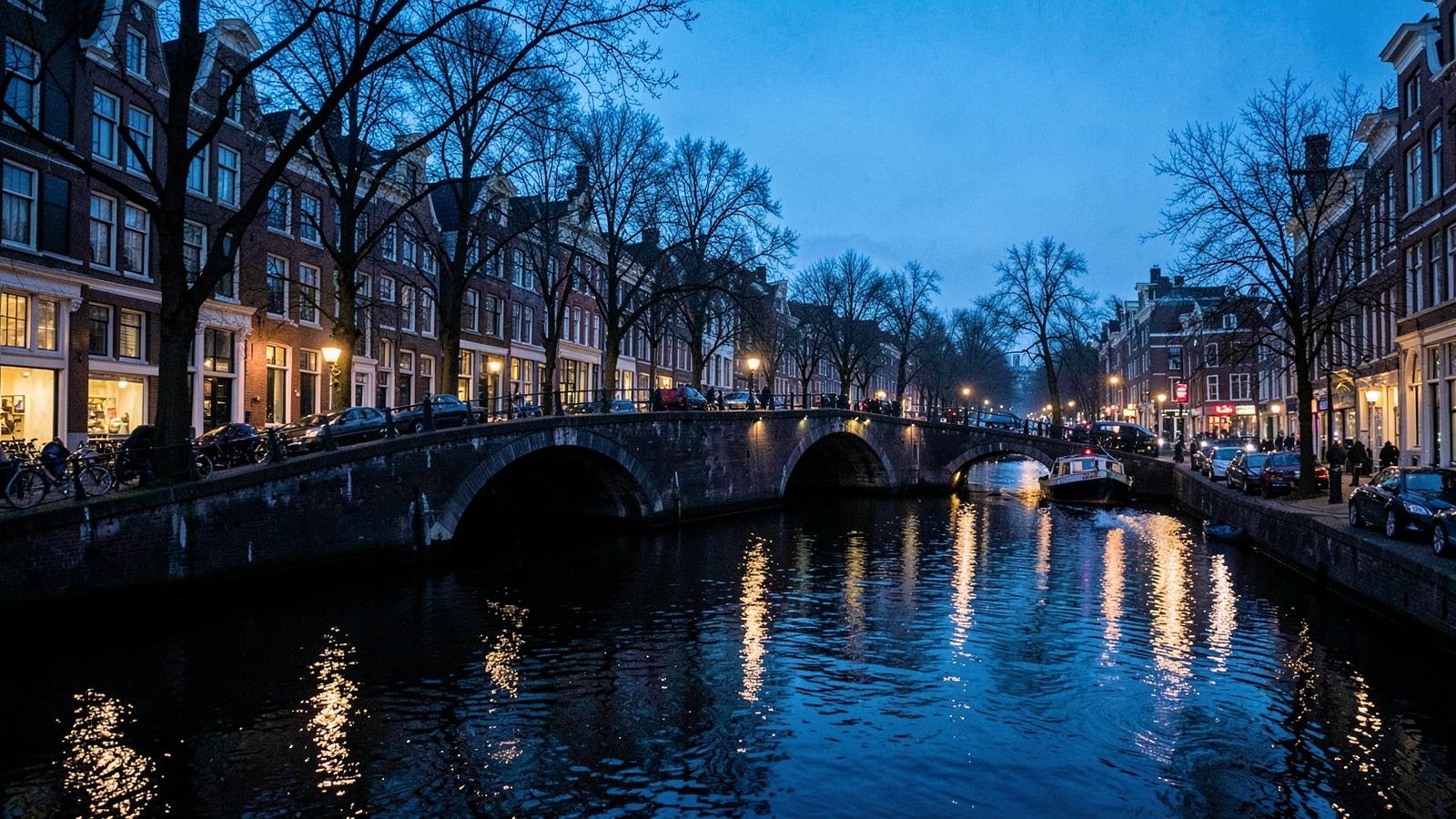
The Perfect Amsterdam 3-Day Itinerary
A three-day Amsterdam itinerary with a half-day trip option, evening ideas and a full timing table for each day.
12 min read
Opening hours and prices change. Always check official websites before you travel. Read our disclaimer.