Getting around
Cycling in Amsterdam: A Practical Guide for First-Timers
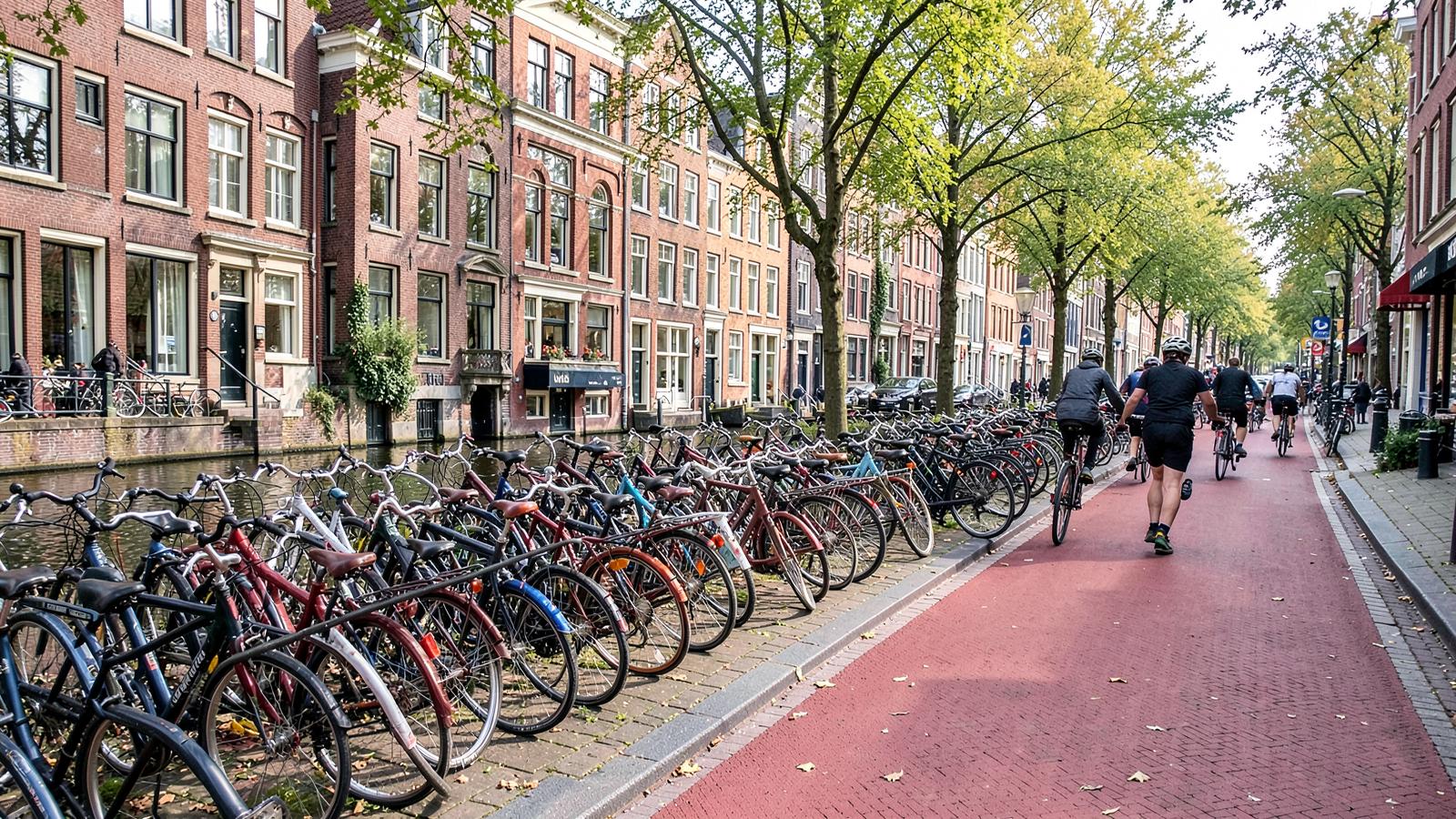
Cycling is how Amsterdam actually moves, and joining in is one of the best ways to feel like a local rather than a tourist. It can also feel intimidating the first time you wobble into a bike lane with commuters streaming past, so here is what you need to know before you rent a bike and pedal off.
Amsterdam has more bicycles than people, and a mature network of dedicated bike lanes that make cycling genuinely the fastest way to get around the centre and inner neighbourhoods. It is also a different experience from cycling in most other cities, with its own etiquette, hazards and unwritten rules that locals absorb without thinking about them; see our guide to how safe Amsterdam is for the wider picture.
If two wheels are not for you, our Amsterdam public transport guide and Amsterdam tram guide cover the alternatives, but cycling remains the way most residents get from the Jordaan to De Pijp or across to the Museum Quarter in a matter of minutes.
Renting a bike
Rental shops are everywhere, especially near Centraal Station, and a standard city bike typically costs somewhere around €10 to €15 per day, often with discounts for multi-day hire. Most shops ask for a form of ID and a deposit, either cash, card authorisation or a passport hold, and will fit the saddle height for you if you ask.
- Choose a basic 'oma-fiets' style city bike with back-pedal brakes if you want the authentic local experience, or ask for hand brakes if you are more comfortable with those.
- Check the bell, brakes and tyre pressure before you cycle off, and get a lock and a second chain lock if the shop offers one.
- E-bikes are widely available too and worth considering for longer days or if you plan on cycling to day trip destinations outside the centre.
- Avoid the cheapest possible rental if it looks poorly maintained; a bike that will not brake properly on wet cobbles is not worth the saving.
The basic rules
Cycle on the right-hand side of designated bike lanes, which are usually a reddish tarmac and clearly separated from the road. Cyclists generally have priority over cars at many junctions but not always, so watch for painted markings, shark's teeth give-way signs and traffic lights specifically for bikes.
Tram tracks and other hazards
Tram tracks are the single biggest hazard for visiting cyclists. A front wheel that gets caught in a tram rail at a shallow angle can throw you off the bike instantly, so always cross tracks as close to a right angle as possible, especially where routes curve or merge near stops.
- Never ride parallel to a tram track for longer than necessary; move across it decisively rather than edging along beside it.
- Watch for tram doors opening and passengers stepping off directly into the bike lane near stops.
- Cobblestones can be slippery when wet, particularly on bridges and in the older parts of the Jordaan.
- Canal-side railings are lower than you might expect; take corners near water carefully, especially at night.
Where not to cycle
Cycling is not permitted on some pedestrianised streets and squares, including parts of the Damrak, Rokin and busy shopping streets at certain times, so look for no-cycling signs and be ready to walk your bike for short stretches. Some narrow lanes in the Jordaan and the Red Light District get so crowded with pedestrians in peak season that cycling through, while technically allowed, is neither pleasant nor safe.
Locking your bike
Bike theft is common enough that a flimsy lock is an invitation. Use a solid U-lock or chain through the frame and front wheel, and attach it to a fixed bike rack rather than just looping it through itself. Avoid leaving a rental bike locked only by its built-in wheel lock overnight in a busy area.
Hand signals and etiquette
- Stick your arm out clearly before turning left or right, the same as you would on a bicycle anywhere, and check over your shoulder first.
- A quick ring of the bell is a normal, polite way to say 'coming through', not rude as it might feel elsewhere.
- Keep to single file when the lane is narrow or busy, and only ride two abreast if there is clearly room and no one behind you.
- Do not stop suddenly in the middle of a bike lane to check your phone or take a photo; pull over to the side first.
Cycling with kids
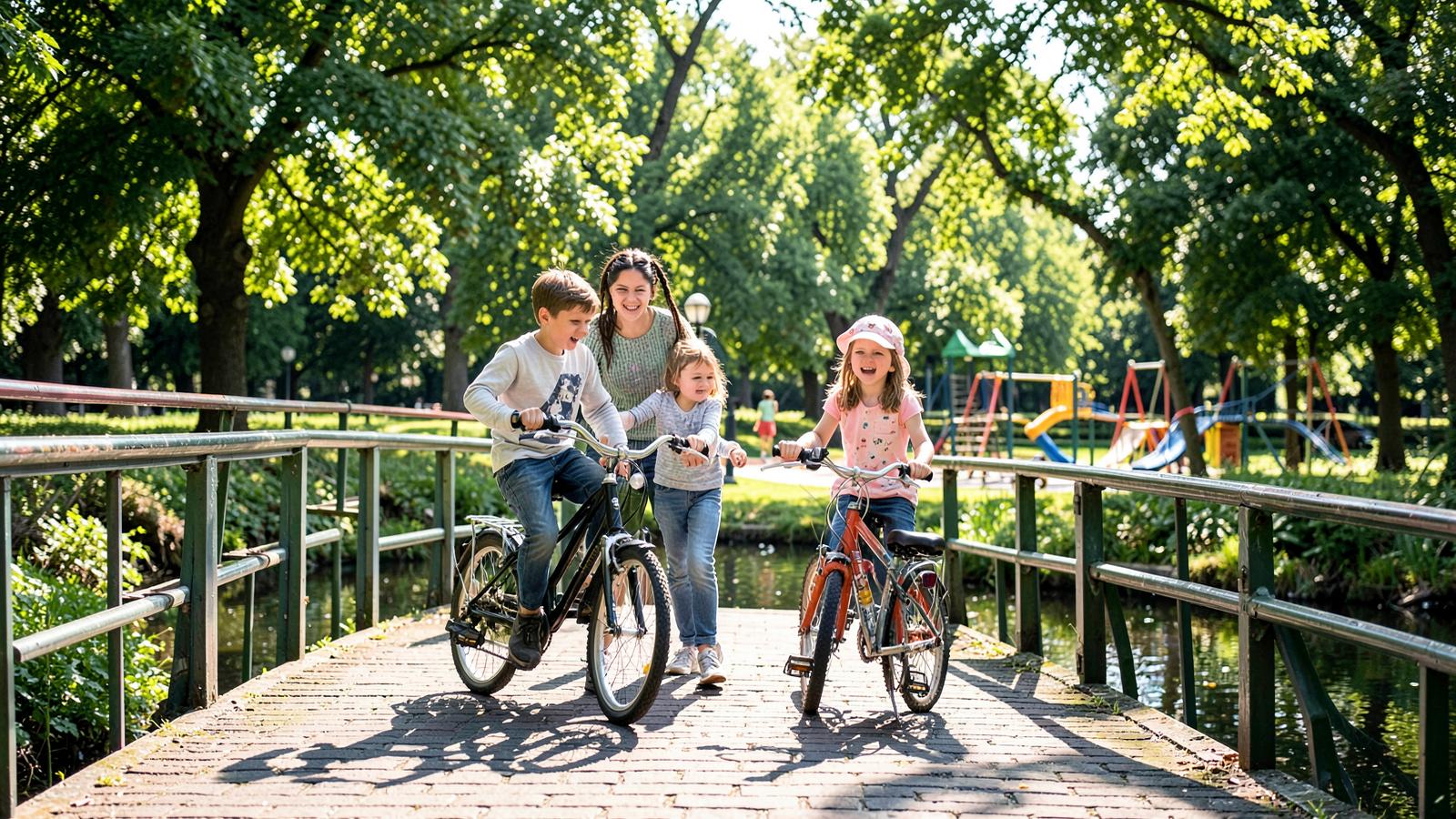
Cargo bikes (bakfietsen) are a common sight for parents ferrying children around, and some rental shops offer child seats or can arrange a cargo bike for a family outing. If you are travelling with children generally, our Amsterdam with kids guide has more ideas for a family-friendly itinerary that mixes cycling with other transport.
Safest routes for first-timers
| Route | Why it works for beginners |
|---|---|
| Vondelpark loop | Car-free paths, gentle pace, easy to bail out at several exits |
| Along the Amstel south of the centre | Wide, quieter cycle paths with fewer tram crossings |
| Westerpark to Amsterdam Noord via ferry | Free ferry crossing, then flat, quiet routes around Noord |
| Canal Ring in the early morning | Beautiful scenery with far less traffic before the city wakes up |
Getting comfortable
Give yourself an easy first ride, ideally somewhere like Vondelpark, before tackling the denser bike lanes around Centraal or Leidseplein at rush hour. Once the basics of tram tracks, hand signals and lane discipline feel natural, cycling becomes by far the quickest and most enjoyable way to explore neighbourhoods like the Jordaan or De Pijp, and it slots neatly into either our 2-day or 3-day itinerary.
Frequently asked questions
- Do I need a helmet to cycle in Amsterdam?
- Helmets are not legally required for adult cyclists in the Netherlands and most locals do not wear one, though there is nothing stopping you from bringing or renting one if you prefer.
- How much does it cost to rent a bike in Amsterdam?
- A standard city bike typically costs around €10 to €15 per day from rental shops, often cheaper with multi-day deals, with e-bikes costing more.
- Is it legal to cycle after dark without lights?
- No, bikes must have working front and rear lights after dark, and police do occasionally check and fine cyclists without them, so ask your rental shop to confirm the lights work.
- What is the biggest mistake first-time cyclists make in Amsterdam?
- Crossing tram tracks at a shallow angle, which can catch a front wheel and cause a fall. Always cross tracks as close to a right angle as you can.
- Can I cycle everywhere in the city centre?
- Mostly yes, but some pedestrianised streets and busy squares restrict cycling at certain times, so watch for signage and be ready to walk your bike through crowded areas.
Sources
Keep reading
Guides that pair well with this one.
Getting around
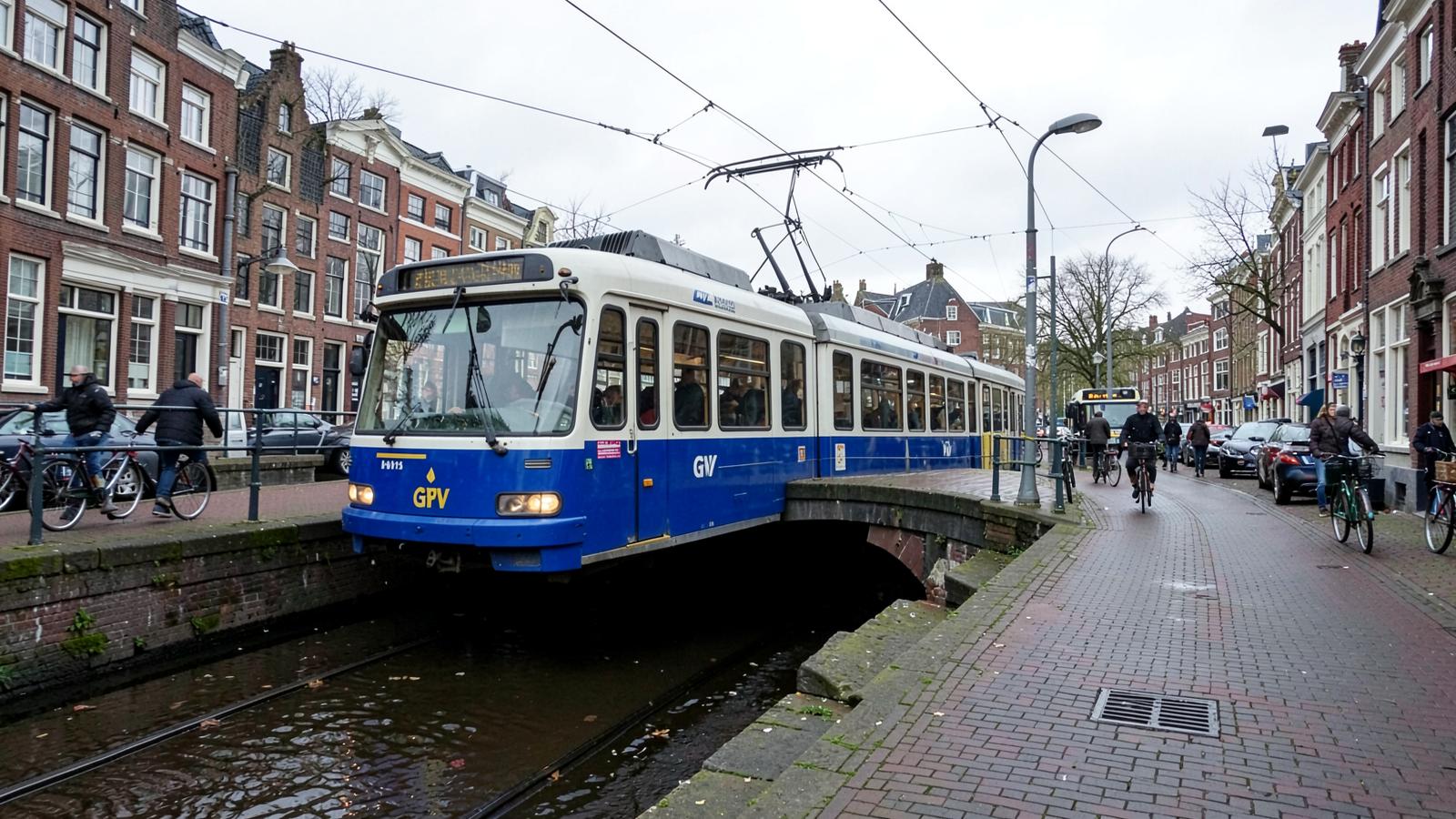
Amsterdam Public Transport: The Complete Guide to Trams, Metro, Buses and Ferries
How to use GVB trams, metro, buses and ferries in Amsterdam, from OVpay tap-in to day passes and night buses.
12 min read
Getting around
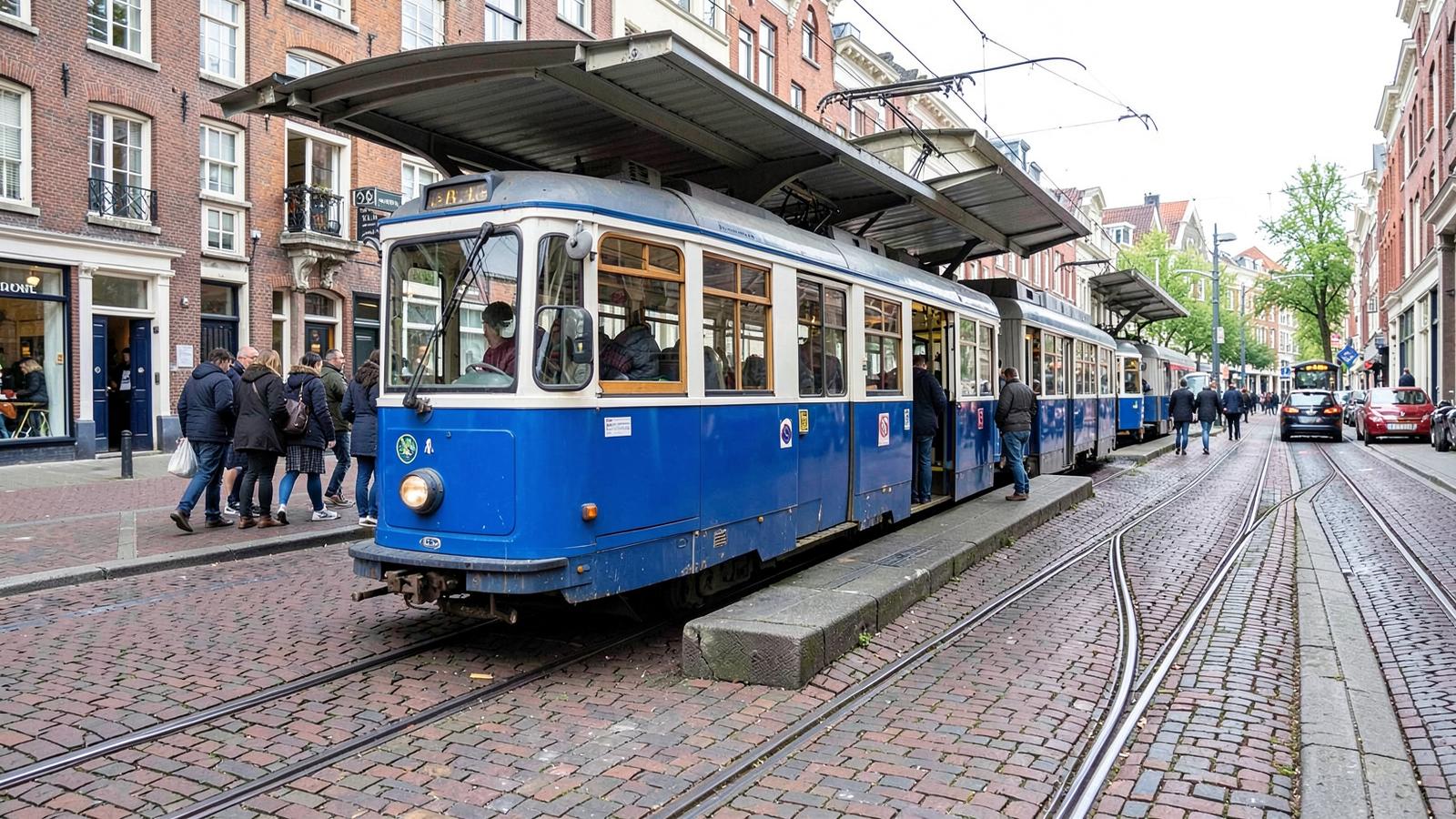
The Amsterdam Tram Guide: Key Lines, Fares and Etiquette
How Amsterdam's trams work, the most useful lines for visitors, boarding rules, fares and unwritten etiquette to know before you ride.
9 min read
Neighbourhoods
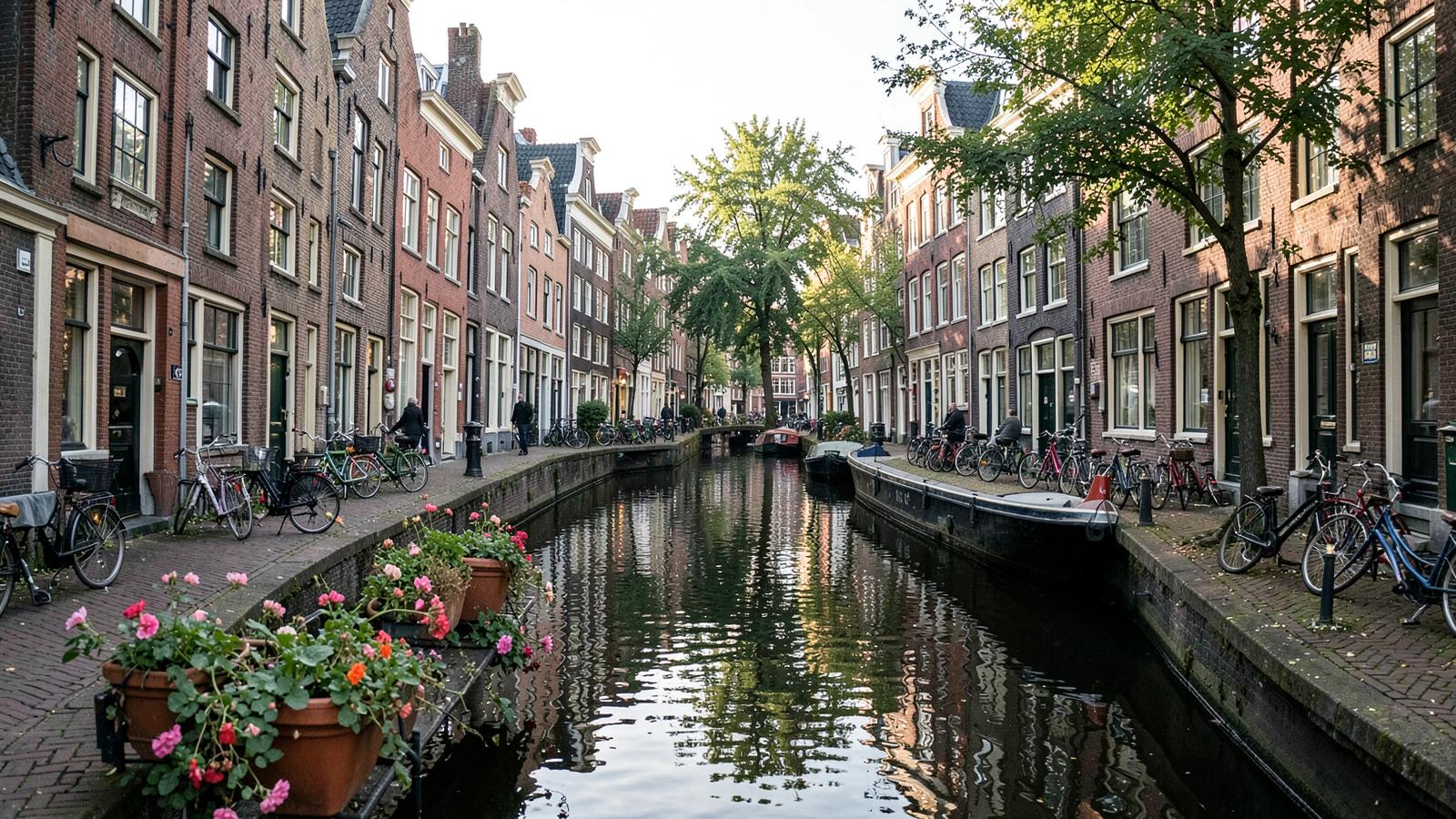
The Jordaan: Amsterdam's Prettiest Neighbourhood
What to see and do in the Jordaan: hidden hofjes, Noordermarkt, brown cafés and a self-guided walking route.
11 min read
Things to do
Amsterdam with Kids: A Practical Family Guide
What actually works when you visit Amsterdam with children, from NEMO and Artis to prams on trams.
11 min read
Opening hours and prices change. Always check official websites before you travel. Read our disclaimer.