Practical
Is Amsterdam Safe for Tourists?
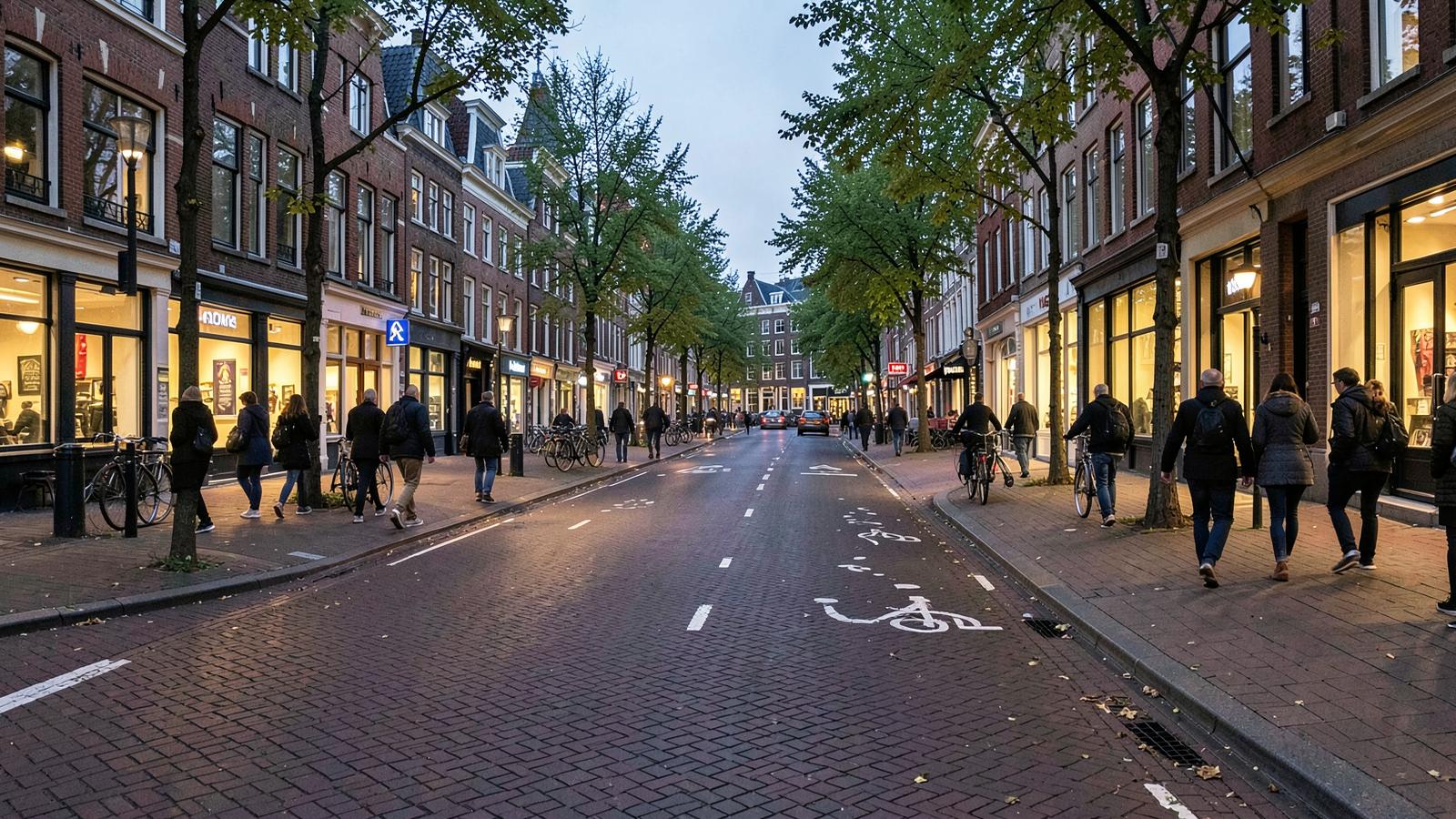
Amsterdam is a genuinely safe city by international standards, with low rates of violent crime against tourists. The real risks visitors run into are duller than they expect: distraction theft, bike lanes, and a handful of scams worth knowing in advance.
Most safety concerns in Amsterdam are practical rather than dramatic. Violent crime against visitors is rare, and the city centre is well lit, well policed and busy late into the evening. The things worth actually preparing for are petty theft, road safety around cyclists, and knowing how the red-light district and its rules work if you plan to visit.
The overall picture
The Netherlands consistently ranks among the safer countries in Europe, and Amsterdam's crime rate for serious offences is low relative to its size and tourist numbers. The city's own police force and the politie.nl crime prevention pages focus almost entirely on petty theft and scams aimed at tourists, which tells you where the actual risk sits.
Pickpocketing hotspots
Pickpocketing is the most common crime affecting visitors, concentrated in predictable places: Centraal Station and its surrounding trams, Dam Square, the Rijksmuseum and Van Gogh Museum queues, crowded market streets, and busy bars in the De Negen Straatjes area on weekend evenings. Trams and the metro during rush hour are also common spots, since crowding creates cover.
- Keep bags zipped and worn across the front of your body in crowds, not slung over one shoulder behind you.
- Avoid keeping a phone or wallet in a back pocket, especially on trams and at the station.
- Be extra alert around any street distraction, such as someone asking for directions, spilling something on you, or a sudden commotion nearby.
- Split cash and cards between bag and pockets rather than carrying everything in one place.
The real everyday danger: bike lanes
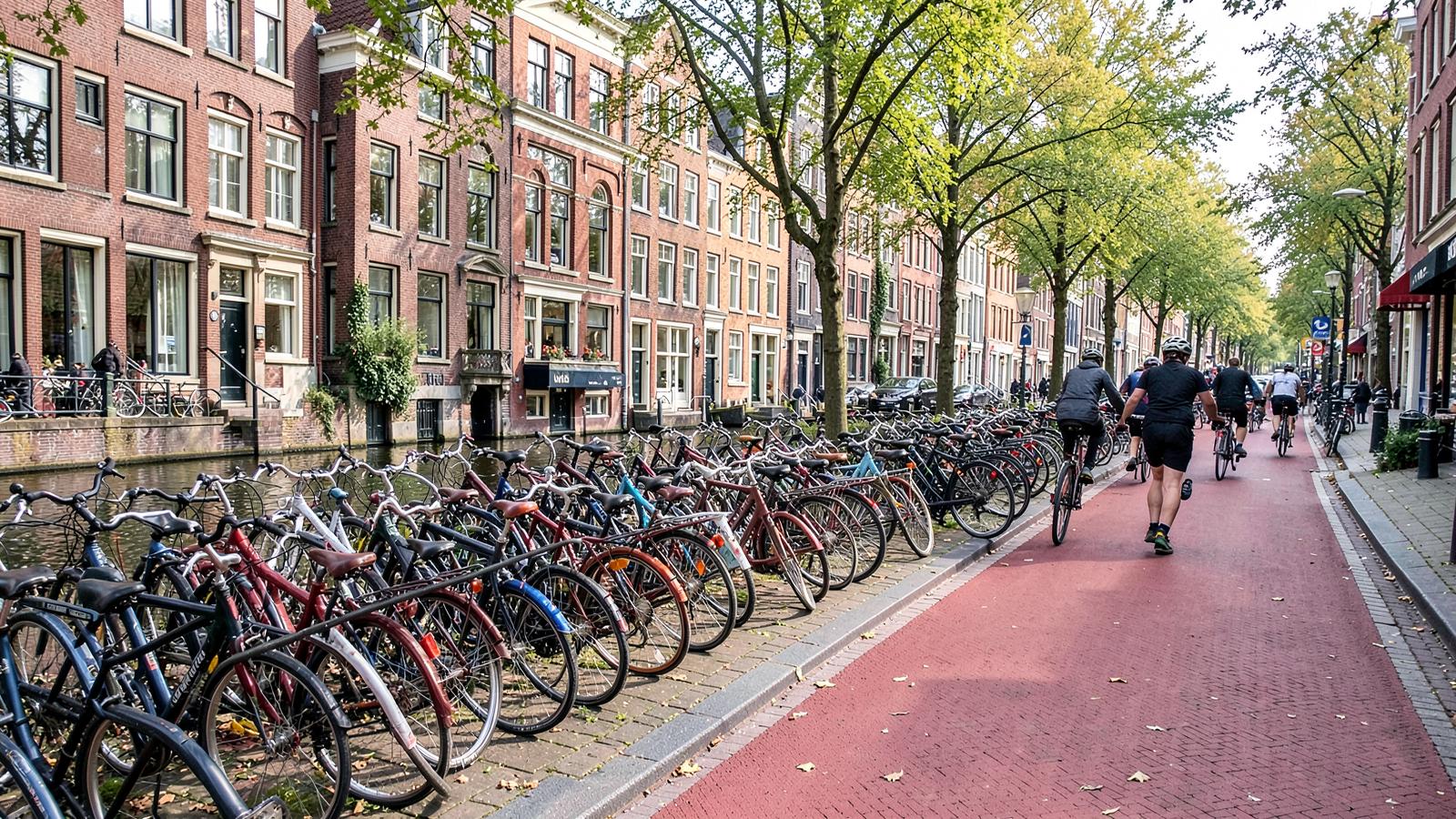
Statistically and anecdotally, the most common way visitors get hurt in Amsterdam is by stepping into a bike lane without looking. The red-paved cycle paths run alongside pavements and often between the pavement and the road, and cyclists move fast and expect right of way. Tourists checking a phone or map while walking are the most frequent cause of minor collisions.
Common scams
Amsterdam's scams are mostly low-stakes rather than dangerous. Street vendors sometimes sell counterfeit or overpriced goods near Dam Square, unlicensed taxi touts approach arriving passengers near Centraal Station and Schiphol, where our Schiphol Airport guide explains where the official ranks and train platforms are, and occasionally someone will offer to sell drugs on the street, which is illegal outside licensed premises and often not what it claims to be. Sticking to official GVB transport, licensed taxi ranks, and coffeeshops for cannabis avoids nearly all of these situations.
De Wallen: rules and conduct
The red-light district, De Wallen, is heavily policed and safe to walk through, including for solo visitors, but it has specific etiquette that is worth following. Photographing sex workers in the windows is illegal and actively enforced, with fines issued on the spot. Large stag groups are increasingly discouraged, and loud or disrespectful behaviour is more likely to draw police attention here than almost anywhere else in the city.
Drug-related risks
Cannabis sold through licensed coffeeshops is regulated and reasonably safe in terms of what you are getting, though strength varies considerably and catches first-time visitors out. Buying drugs from street dealers is both illegal and riskier, since substances sold this way are unregulated and occasionally mixed with far more dangerous compounds; there have been public health warnings in Amsterdam in past years about contaminated batches circulating outside licensed sale points.
Night safety
The city centre, De Pijp, the Jordaan and Oud-West all feel comfortable to walk through at night, with steady foot traffic and good lighting. As anywhere, it is sensible to stick to busier streets late at night, keep valuables out of sight, and take a licensed taxi or night tram rather than walking a long distance alone through quieter outer areas. Our guide to Amsterdam at night covers what is worth staying out for.
Solo and female travellers
Amsterdam is a popular and generally comfortable destination for solo and female travellers, including at night in the main tourist areas. Ordinary precautions apply: share your plans with someone, keep your phone charged, and use licensed transport late at night. See our dedicated guide for solo travellers for more specific tips on where to base yourself and what to expect.
Emergency numbers and lost property
The emergency number for police, ambulance or fire across the Netherlands is 112. For non-urgent police matters, including reporting theft after the fact, use the non-emergency police line or file a report online via politie.nl. If you lose something on public transport, GVB runs a lost property service, and it is worth checking there before assuming an item was stolen, since genuine lost items are recovered more often than people expect.
Travel insurance
Given that petty theft is the most likely incident you will encounter, travel insurance covering theft, medical costs and cancellations is worth having regardless of how safe the city feels day to day. Check that any policy covers bicycle-related injuries specifically if you plan to cycle, since some standard policies exclude activity-related claims.
The bottom line
Amsterdam is safe in the ways that matter most: violent crime against visitors is rare, and the city is easy to navigate on foot at most hours. The realistic precautions are dull but effective: watch for bike lanes, guard your bag in crowds, use licensed taxis and coffeeshops, and treat De Wallen with the same respect you would want shown to you. None of this should overshadow a trip, only shape a few habits during it.
Frequently asked questions
- Is Amsterdam safe to walk around at night?
- Yes, the main tourist areas are well lit and busy well into the evening. Standard city precautions apply, particularly on quieter outer streets.
- What is the most common crime against tourists in Amsterdam?
- Pickpocketing and bag theft in crowded areas such as the station, Dam Square and busy trams, rather than any form of violent crime.
- What is the biggest everyday hazard for visitors?
- Stepping into a bike lane without looking. Minor collisions with cyclists are far more common than any crime-related incident.
- Is it safe to walk through the red-light district?
- Yes, it is heavily policed and generally safe, but photographing sex workers is illegal and enforced, and respectful conduct is expected.
- What is the emergency number in Amsterdam?
- 112 for police, ambulance or fire, valid across the Netherlands.
- Is buying cannabis from a street dealer safer than a coffeeshop?
- No. Licensed coffeeshops are regulated; street-bought drugs are illegal and carry a higher risk of contamination or misrepresentation.
Sources
Keep reading
Guides that pair well with this one.
Things to do
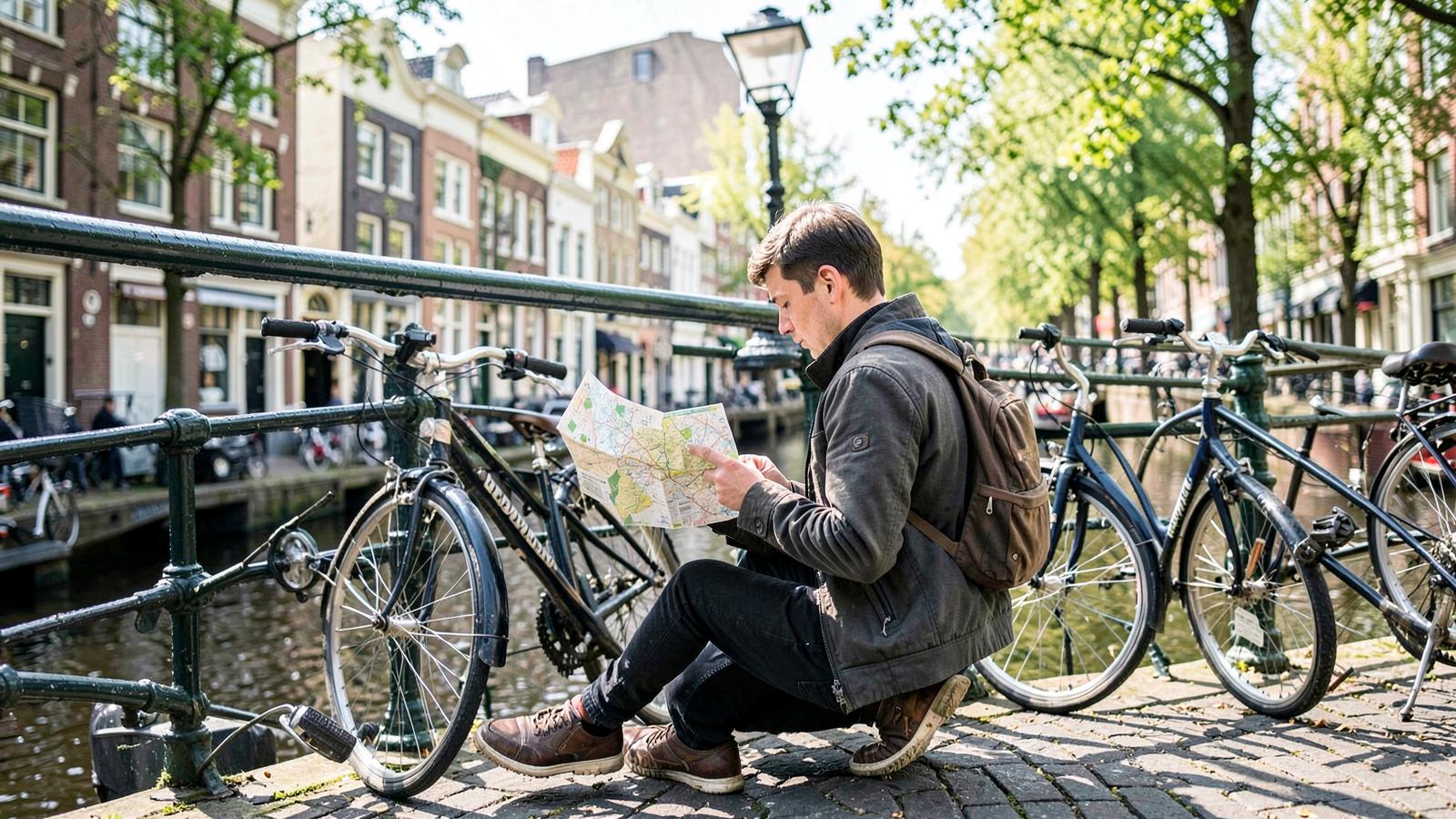
Amsterdam for Solo Travellers: What to Know
Practical advice for solo travellers in Amsterdam, covering safety, eating alone, hostels vs hotels, meeting people and getting around.
10 min read
Things to do
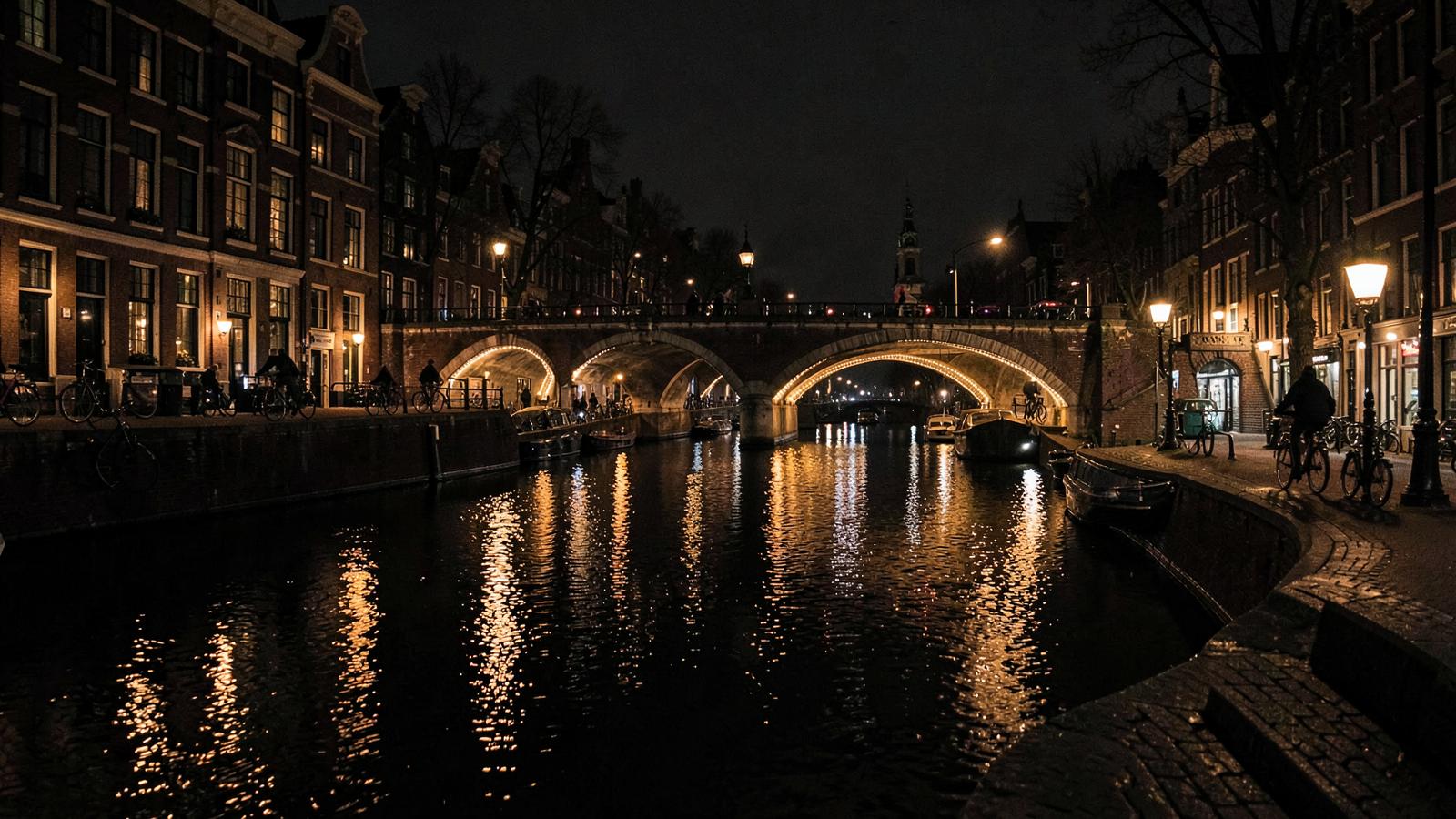
Best Things to Do in Amsterdam at Night
Evening canal walks, late museum hours, jazz bars, brown cafés and honest notes on staying safe and respectful after dark in Amsterdam.
10 min read
Practical
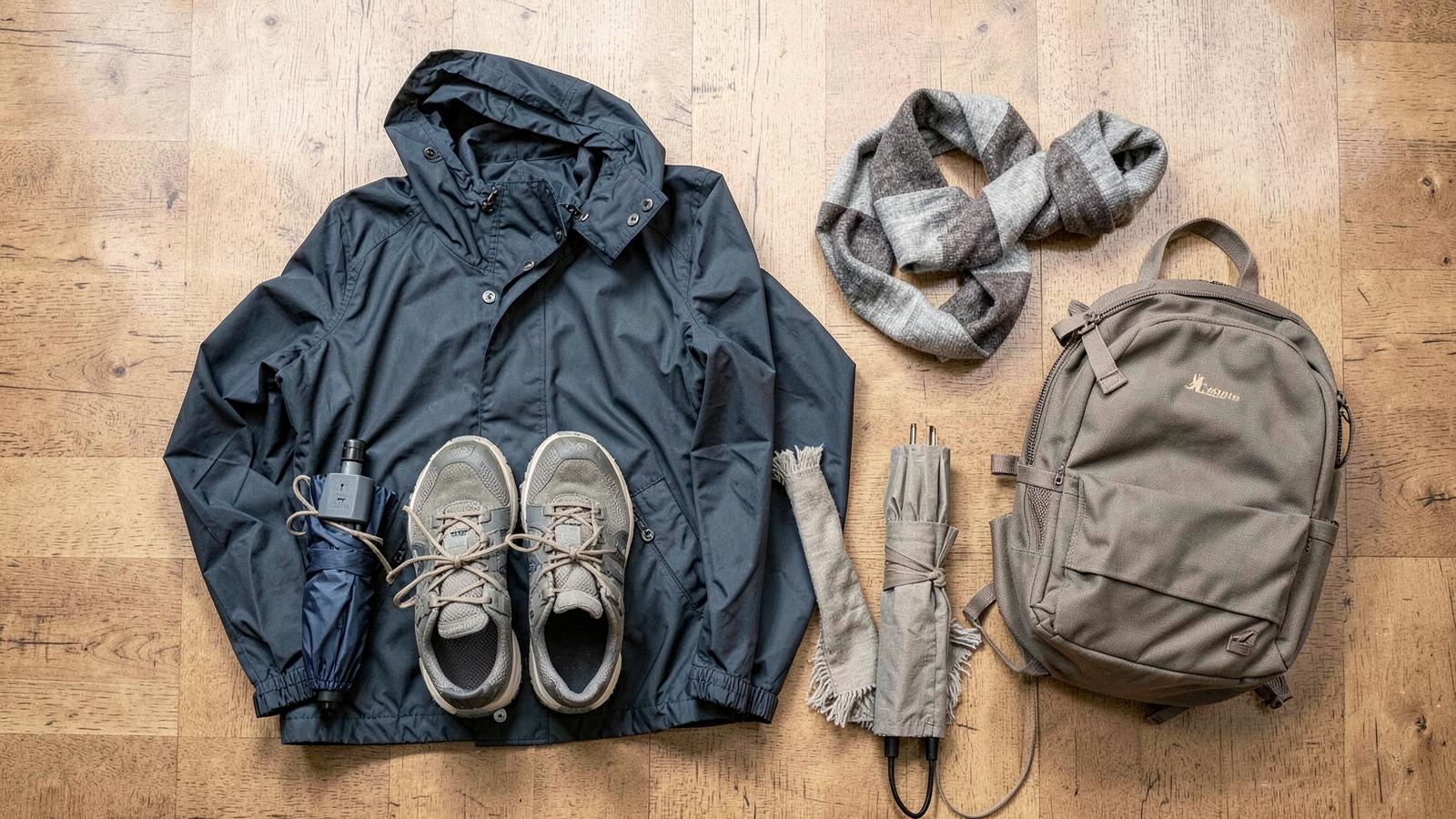
What to Pack for Amsterdam
What to actually pack for Amsterdam: weather-proof layers, footwear for cobbles, plug adapters, cards vs cash, and a compact packing table.
8 min read
Getting around
Cycling in Amsterdam: A Practical Guide for First-Timers
How to rent a bike, follow the rules and cycle safely in Amsterdam, from tram tracks to hand signals and where beginners should not ride.
11 min read
Opening hours and prices change. Always check official websites before you travel. Read our disclaimer.