Practical
What to Pack for Amsterdam
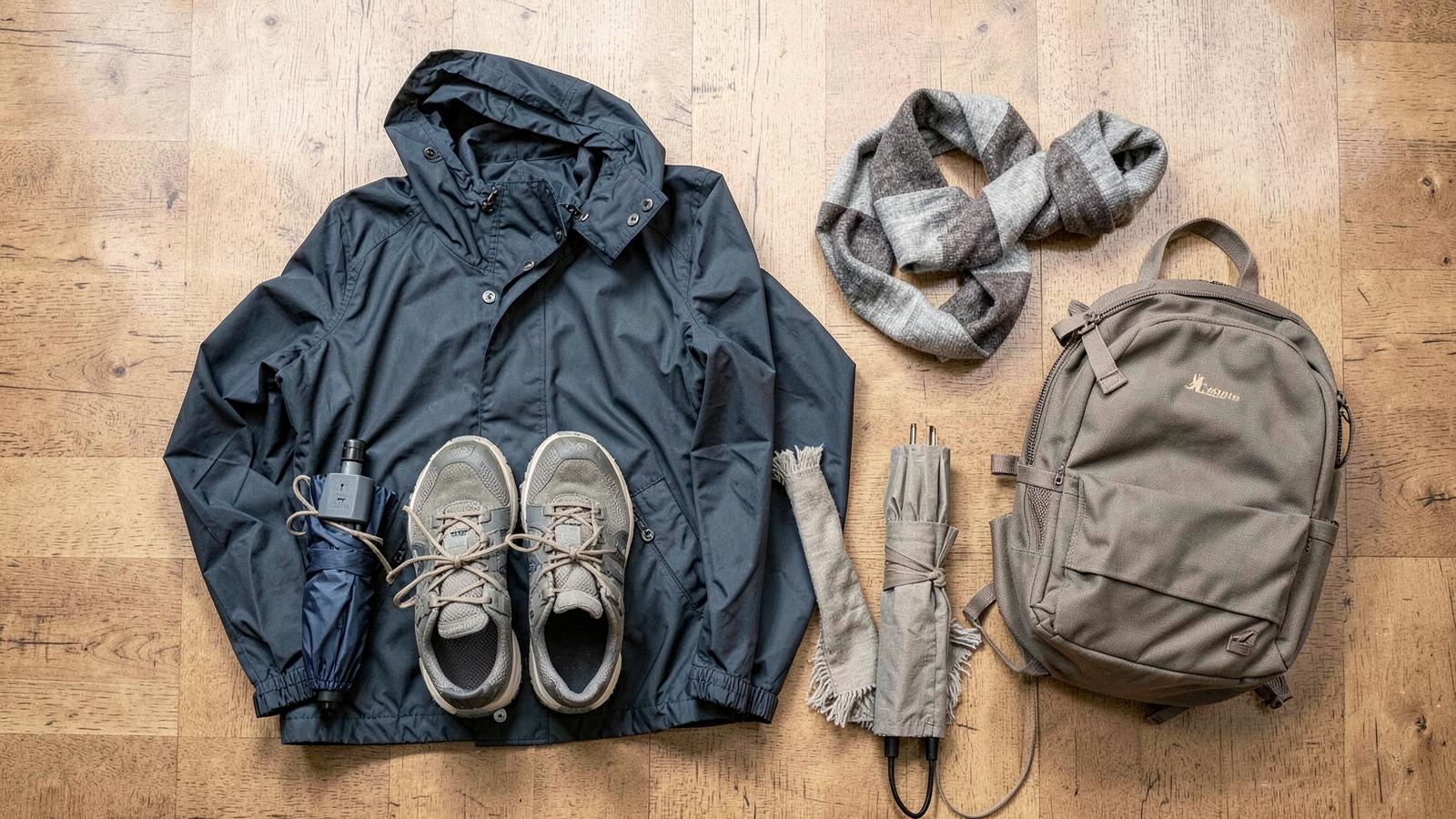
Amsterdam's packing challenge is less about extreme weather and more about damp, windy, changeable conditions that catch people out year-round. Here is what actually earns its place in the suitcase.
The Netherlands has a mild maritime climate, which means it is rarely bitterly cold or oppressively hot, but it is damp and breezy for most of the year. Packing well for Amsterdam is about layering and weatherproofing rather than bracing for any single extreme, and a few Amsterdam-specific items are worth adding that would not make a typical European city packing list.
Weather realities by season
Rain falls in every month of the year, so there is no season where you can skip waterproofing entirely. Beyond that, expect the following patterns, though always check KNMI closer to your trip for an up-to-date forecast rather than relying on general averages.
| Season | Typical temperatures | Pack for |
|---|---|---|
| Winter (Dec-Feb) | 0-7°C | Insulated coat, hat, gloves, waterproof boots |
| Spring (Mar-May) | 5-16°C | Layers, waterproof jacket, light scarf |
| Summer (Jun-Aug) | 13-22°C | Light layers, one warmer layer for evenings, rain shell |
| Autumn (Sep-Nov) | 6-18°C | Mid-weight layers, waterproof jacket, warm socks |
For a fuller month-by-month breakdown, our best time to visit Amsterdam guide covers what to expect from each part of the year in more detail.
Waterproof layers over umbrellas
A proper waterproof jacket, ideally with a hood, is more useful in Amsterdam than an umbrella. The city sits near open water and gets genuinely windy, and umbrellas turn inside out easily on canal bridges and open squares. A packable rain shell that layers over a jumper handles both light drizzle and a sudden downpour without the hassle of carrying and losing an umbrella.
Footwear for cobbles and canal-side paths
Much of central Amsterdam is cobbled or laid with uneven brick, and pavements are often narrow and shared closely with cycle paths. Comfortable, closed, low-heeled shoes with reasonable grip matter more here than in most cities; heels and smooth-soled shoes are genuinely impractical on wet cobblestones and bridge surfaces. Waterproof or water-resistant shoes are worth the extra weight, since puddles collect quickly after rain.
Adapters and electronics
The Netherlands uses plug types C and F, both two-pin round plugs, at 230V. Type F is standard but type C plugs fit the same sockets, so most European travellers need no adapter at all. Visitors from the UK, Ireland, the US, Canada, Australia and most of Asia will need a standard European (type C/F) adapter; check whether your device also needs a voltage converter if it is not dual-voltage rated.
Cards vs cash
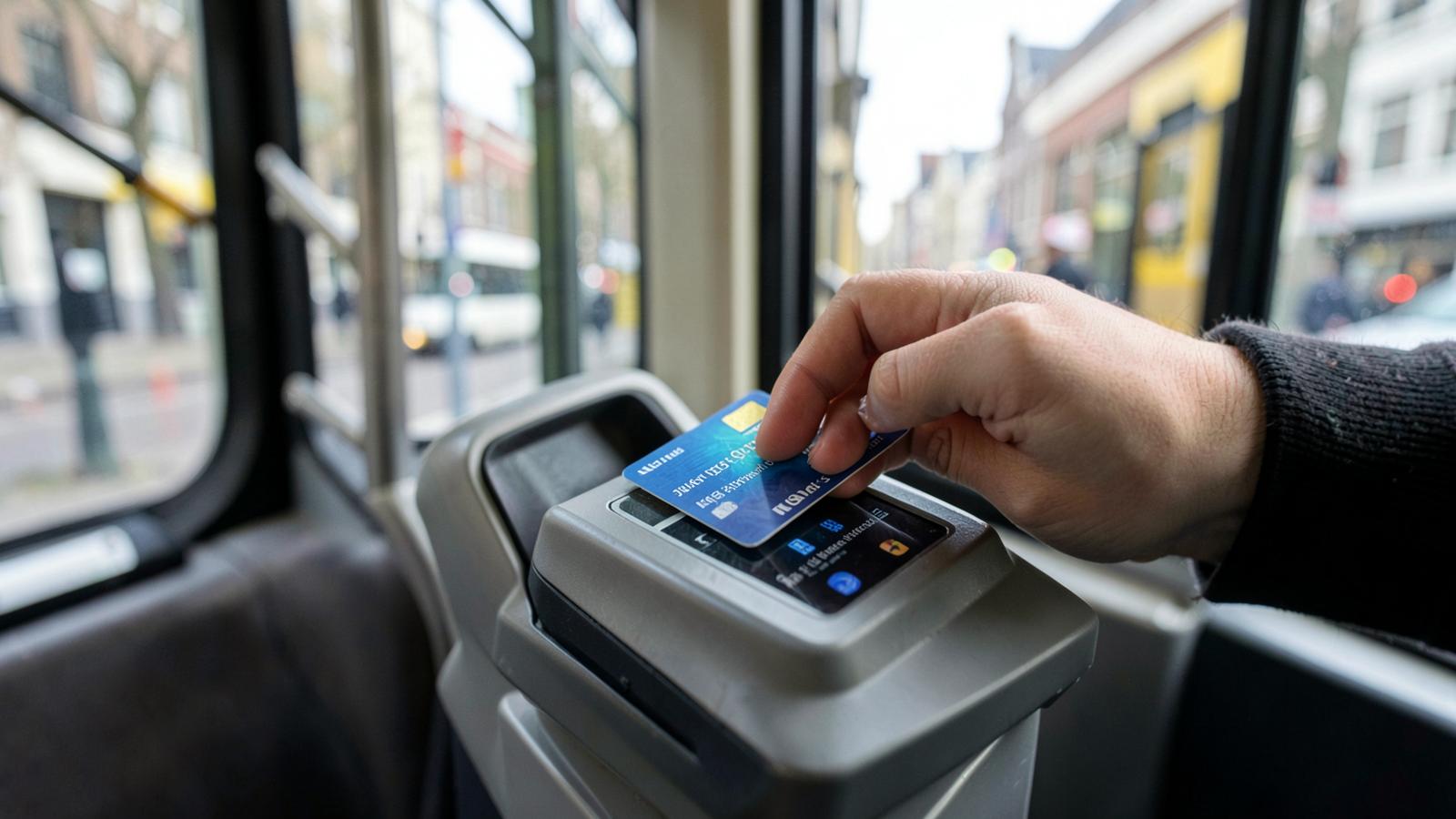
The Netherlands is heavily card-based, and contactless payment is accepted almost everywhere, including trams, small cafés and markets. Some smaller businesses, market stalls, and a handful of older establishments still prefer or only accept Maestro-style debit cards or cash, so it is worth carrying a small amount of euros as a backup rather than relying entirely on a foreign credit card. For transport specifically, see our guide on paying for Amsterdam transport before you travel.
Day bag and anti-pickpocket sense
A cross-body bag with a zip closure is more practical than an open tote or a backpack worn on your back in crowds, particularly around Centraal Station and busy museum queues; our guide to whether Amsterdam is safe covers where pickpocketing is most common. A slim daypack is useful for day trips out of the city, but keep valuables in a zipped inner pocket rather than an outer one.
Dress codes
Amsterdam is casual by international city standards. Smart-casual covers nearly every restaurant, and few venues enforce a strict dress code. The main exception is some upscale restaurants and a handful of clubs, where smart shoes and a collared shirt are appreciated, if not strictly required. Layering matters more than formality, since indoor spaces are often warmer than the street outside.
Medication and pharmacy notes
Bring prescription medication in its original packaging with a copy of the prescription, particularly for anything controlled, since Dutch pharmacy rules on equivalents can differ from your home country's. Regular pharmacies (apotheek) handle prescriptions and common medical advice; late-night and Sunday pharmacy access is more limited than in some countries, so check the nearest duty pharmacy (dienstapotheek) in advance if you take time-sensitive medication.
Cycling-friendly clothing
If you plan to hire a bike, as covered in our cycling in Amsterdam guide, avoid long loose skirts, wide trousers that can catch a chain, and shoes with no back strap. A light waterproof layer that packs down small is worth carrying on the bike itself, since Dutch weather can turn while you are out riding.
A compact packing list
| Category | Items |
|---|---|
| Outerwear | Waterproof jacket with hood, warm layer for evenings |
| Footwear | Comfortable closed shoes with grip, water-resistant if possible |
| Electronics | Type C/F adapter, portable charger |
| Money | Contactless card, small amount of euro cash |
| Bag | Cross-body or zipped daypack |
| Health | Prescription medication in original packaging, basic painkillers |
| Extras | Reusable water bottle, packable tote for markets |
The essentials in short
Pack for rain and wind rather than cold or heat, choose a waterproof jacket over an umbrella, wear shoes built for cobbles and cycle paths, and carry both a card and some cash. Everything else is standard city-break packing, adjusted slightly for a place where the weather changes its mind several times a day.
Frequently asked questions
- Do I need a special plug adapter for the Netherlands?
- Travellers from the UK, US, Canada, Australia and most of Asia need a standard European type C/F adapter; most of continental Europe uses the same plug already.
- Is an umbrella or a rain jacket better in Amsterdam?
- A rain jacket, since it is windy near the canals and open water, and umbrellas turn inside out easily.
- Can I get by with only a card, no cash?
- Mostly yes, since cards and contactless payment are accepted almost everywhere, but carry a little cash for smaller stalls and markets.
- What shoes are best for Amsterdam's streets?
- Comfortable, closed, low-heeled shoes with grip, ideally water-resistant, since much of the centre is cobbled or brick-paved and often damp.
- Is there a dress code for restaurants?
- Amsterdam is generally casual; smart-casual is fine almost everywhere, with only a handful of upscale venues expecting anything more formal.
Sources
Keep reading
Guides that pair well with this one.
Practical
The Best Time to Visit Amsterdam
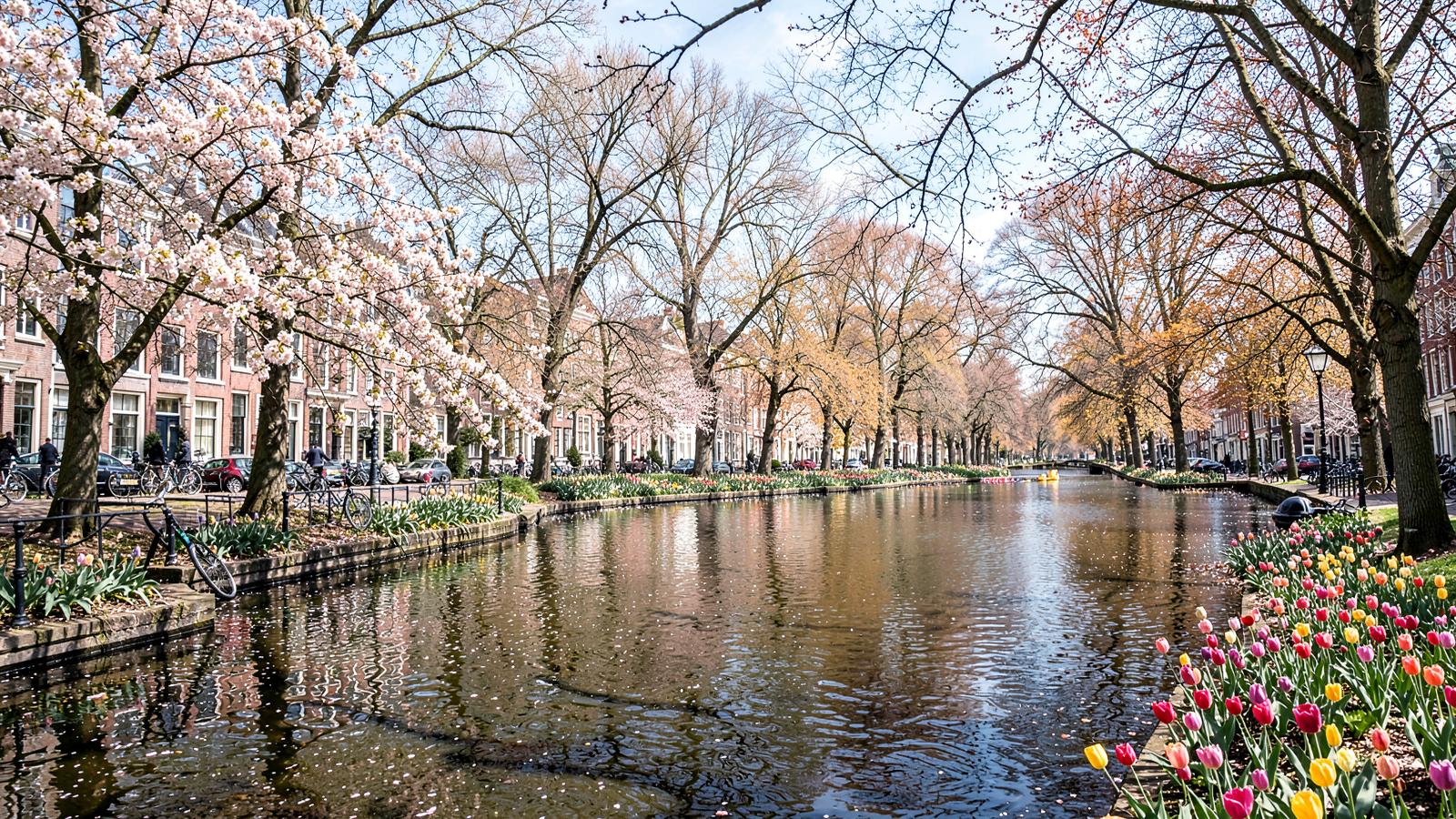
A month-by-month guide to visiting Amsterdam, covering weather, crowds, prices, tulip season, King's Day and winter.
11 min read
Practical
Is Amsterdam Safe for Tourists?
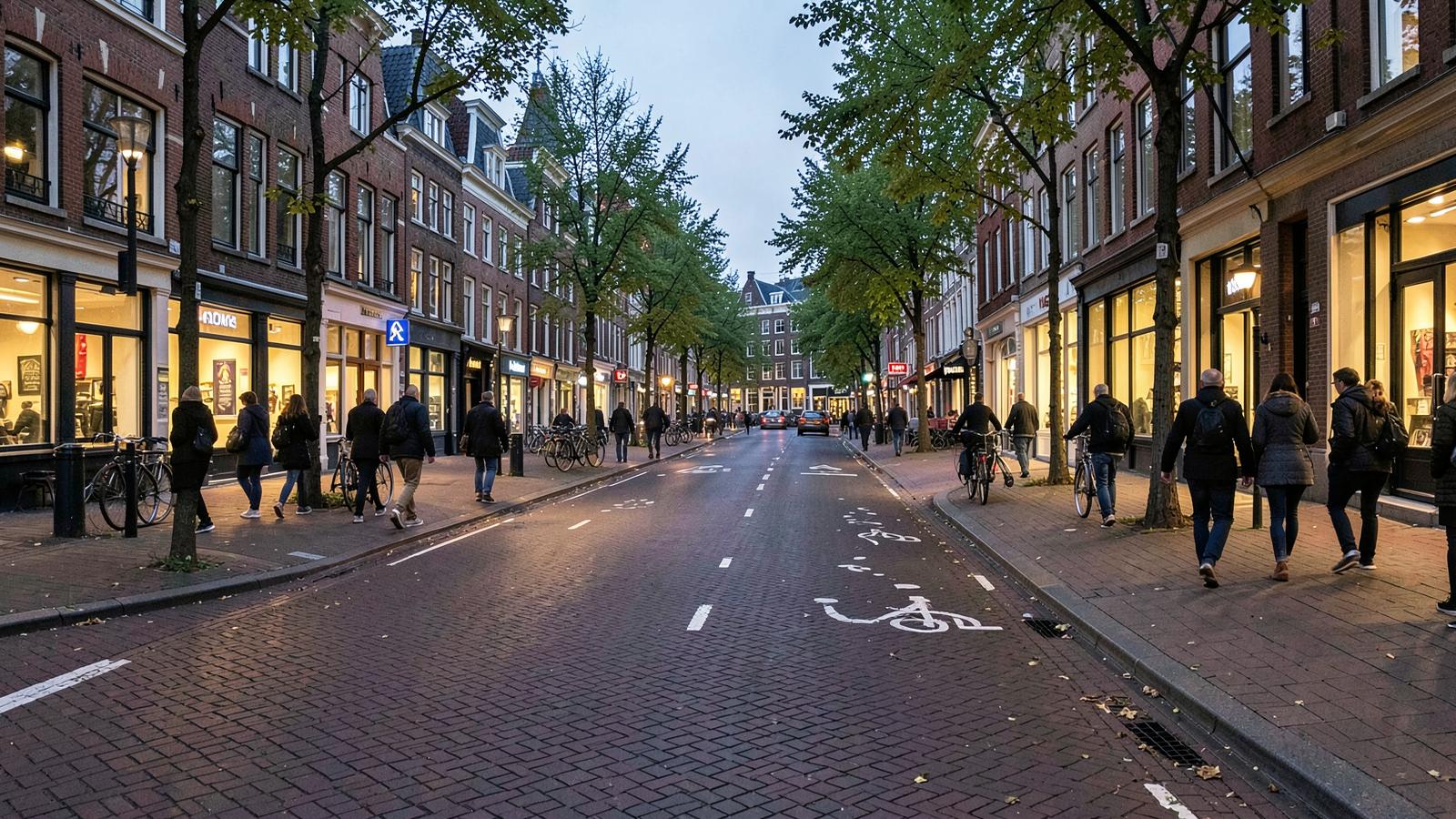
A calm, factual look at Amsterdam's real risks: pickpocketing, bike lanes, De Wallen conduct, scams, and night safety for visitors.
10 min read
Getting around
Cycling in Amsterdam: A Practical Guide for First-Timers
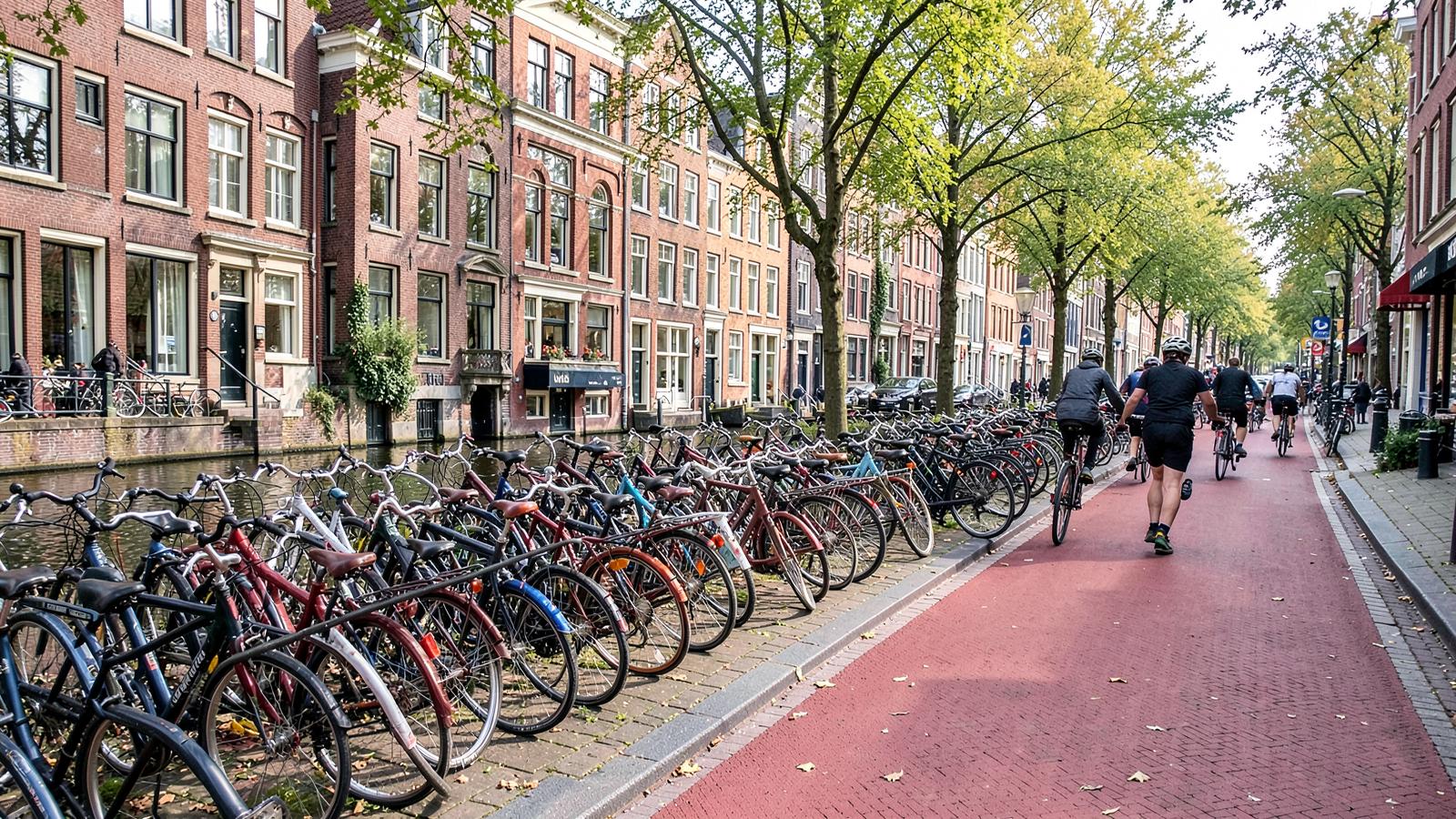
How to rent a bike, follow the rules and cycle safely in Amsterdam, from tram tracks to hand signals and where beginners should not ride.
11 min read
Getting around
Can You Pay for Amsterdam Transport With a Card?
How OVpay contactless payment works on Amsterdam trams, metro, buses and trains, which cards work, and what happens if you forget to tap out.
9 min read
Opening hours and prices change. Always check official websites before you travel. Read our disclaimer.