Getting around
The Amsterdam Tram Guide: Key Lines, Fares and Etiquette
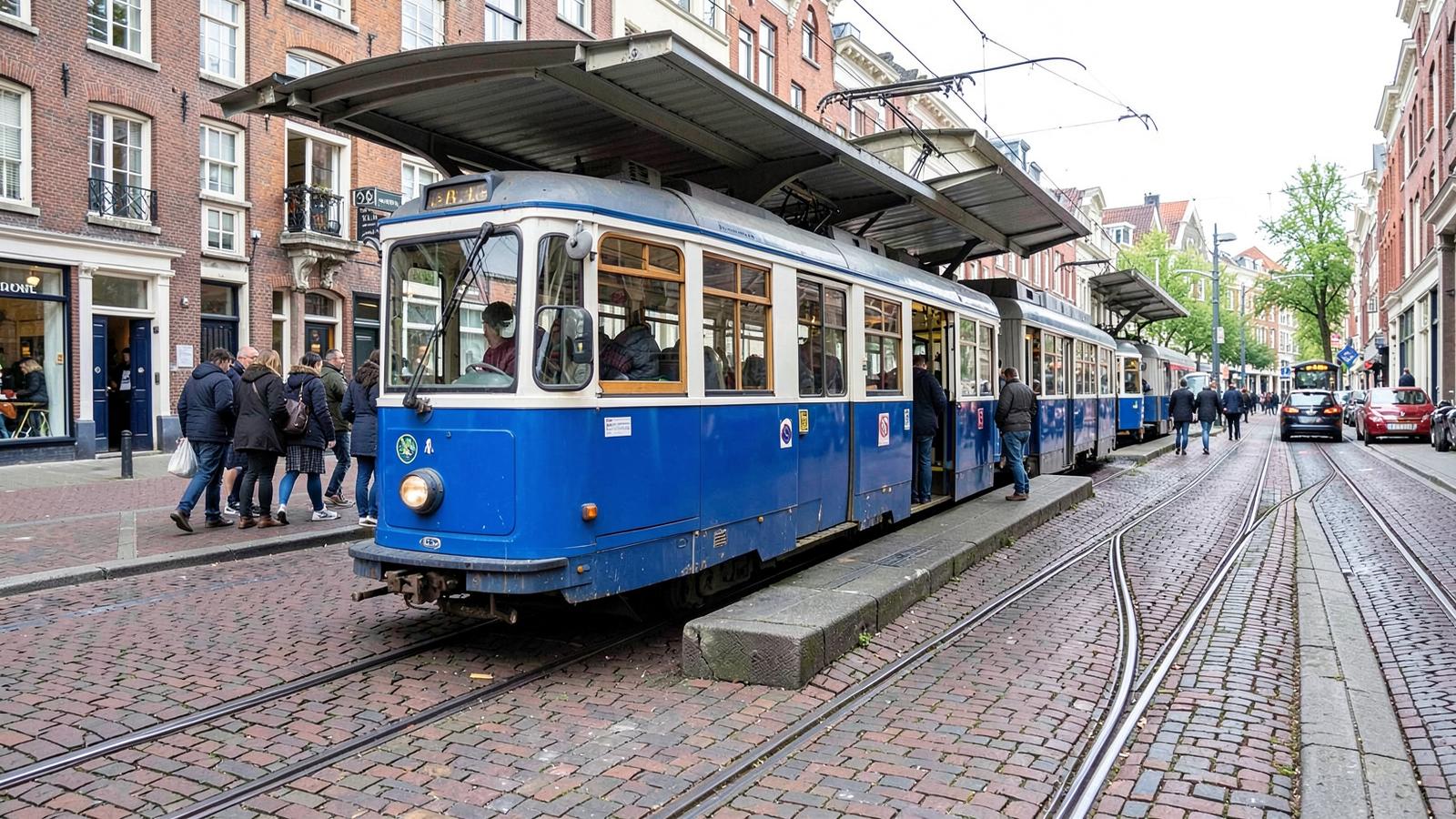
Trams are the easiest way to get a feel for Amsterdam without needing to think too hard about routes, since so many lines converge on or near Centraal Station and radiate out through the centre. This guide covers how the system works, which lines are most useful for visitors, and the small habits that mark you out as someone who has ridden a tram before.
GVB operates around fourteen tram lines, most of them radiating from Amsterdam Centraal Station (the same station most visitors reach via the Schiphol to Amsterdam train) through the city's canal belt and out into surrounding neighbourhoods. They run frequently, generally every five to ten minutes during the day, and are usually the fastest way to cover ground that is a bit too far to walk comfortably.
For the wider transport picture, including tickets, metro and buses, see our Amsterdam public transport guide, which this article complements with tram-specific detail.
How trams work
Each tram displays its line number and final destination at the front, which matters because several lines share the same stops for part of their route before splitting off, so always check the destination rather than just the number if you are unsure. Stops are marked with a pole showing the line numbers that call there and a rough timetable.
You can board through any door, but you must tap in with OVpay, a contactless bank card or phone, at the reader nearest the door you use, and tap out again at the reader nearest your exit when you get off; see our guide to paying for Amsterdam transport for the full picture. Fares are calculated by distance travelled, which is why both taps matter.
Key lines for visitors
| Line | Useful for |
|---|---|
| 2 | Centraal to Museum Quarter and the Rijksmuseum, via the Canal Ring |
| 12 | Similar route to line 2, useful alternative if it is less crowded |
| 13 | Centraal through Jordaan-adjacent streets toward the west |
| 14 | Connects the eastern docklands through the centre to Overtoom |
| 17 | Centraal towards the west side, useful for Westerpark area |
| 24 | Centraal to De Pijp and on to the RAI, handy for Albert Cuyp Market |
Lines 2 and 12 are the ones most visitors end up using at some point, since they run close to the Rijksmuseum and Van Gogh Museum on the way to Vondelpark, both covered in more depth in our best museums in Amsterdam guide.
Boarding, checking out and doors
Doors do not open automatically at every stop; you may need to press the button beside the door as the tram approaches your stop, particularly on quieter routes or late at night when fewer passengers are getting on or off. Watch other passengers if you are unsure, since locals do this without thinking.
Fares
Trams use the same fare system as the rest of GVB's network. A single tap-in-tap-out journey costs a small distance-based fare, typically a few euros for a short hop across the centre, while unlimited day passes can be better value if you are hopping on and off multiple times. Full pricing detail is in our public transport guide and our Amsterdam travel cards comparison, since fares apply the same way across trams, buses and the metro.
Tram etiquette
- Let passengers off before you board; it sounds obvious but queue discipline at busy stops can slip.
- Offer priority seats near the doors to elderly passengers, pregnant women or anyone with mobility needs.
- Keep large bags and rucksacks off the seats and out of the aisle where possible.
- Do not lean on the doors or block them while waiting to get off.
- Keep noise reasonably low, especially on early morning or late evening services.
Scenic tram routes worth riding for their own sake
A few routes double as a cheap sightseeing trip if you just want to sit and watch the city go by. Line 2 or 12 through the Canal Ring past grand merchant houses is a good introduction, while line 24 toward De Pijp gives you a look at a more residential, lived-in side of the city, useful background if you are planning to explore our De Pijp neighbourhood guide on foot afterwards.
Accessibility on trams
Newer low-floor trams have a ramp the driver can extend for wheelchair users or those with pushchairs; older tram types on some routes still involve steps. If accessibility matters for your trip, check GVB's live vehicle information or ask staff at a Tickets & Info point which lines currently run low-floor models most reliably.
Final tips
Trams are forgiving to learn on: frequent, well-signed and easy to hop off if you take a wrong turn, since another one along the same route is rarely more than ten minutes away. Pair a tram pass or OVpay balance with a bit of walking and, if you are feeling adventurous, a rental bike from our cycling in Amsterdam guide, and you will cover the city efficiently without ever needing a car. It is easy enough to fold into either our 2-day or 3-day itinerary.
Frequently asked questions
- Do I need to press a button to open tram doors?
- Sometimes. On quieter routes or at less busy times you may need to press the door button as the tram nears your stop, so watch what other passengers do if unsure.
- Which tram line goes to the Rijksmuseum?
- Lines 2 and 12 both stop close to the Rijksmuseum and continue on toward Vondelpark, making them the most useful lines for museum-focused visitors.
- Do all doors work for tapping in with OVpay?
- Yes, each door has its own contactless reader, so you can board through any door and tap in at the reader nearest to you.
- What happens if I board the wrong tram?
- Simply get off at the next stop and check the display board for the correct line and direction; frequent services mean you will not wait long for the right one.
- Are Amsterdam trams accessible for wheelchairs?
- Newer low-floor trams have a fold-out ramp the driver can use, though some older trams on certain routes still have steps, so check ahead if accessibility is essential.
Sources
Keep reading
Guides that pair well with this one.
Getting around
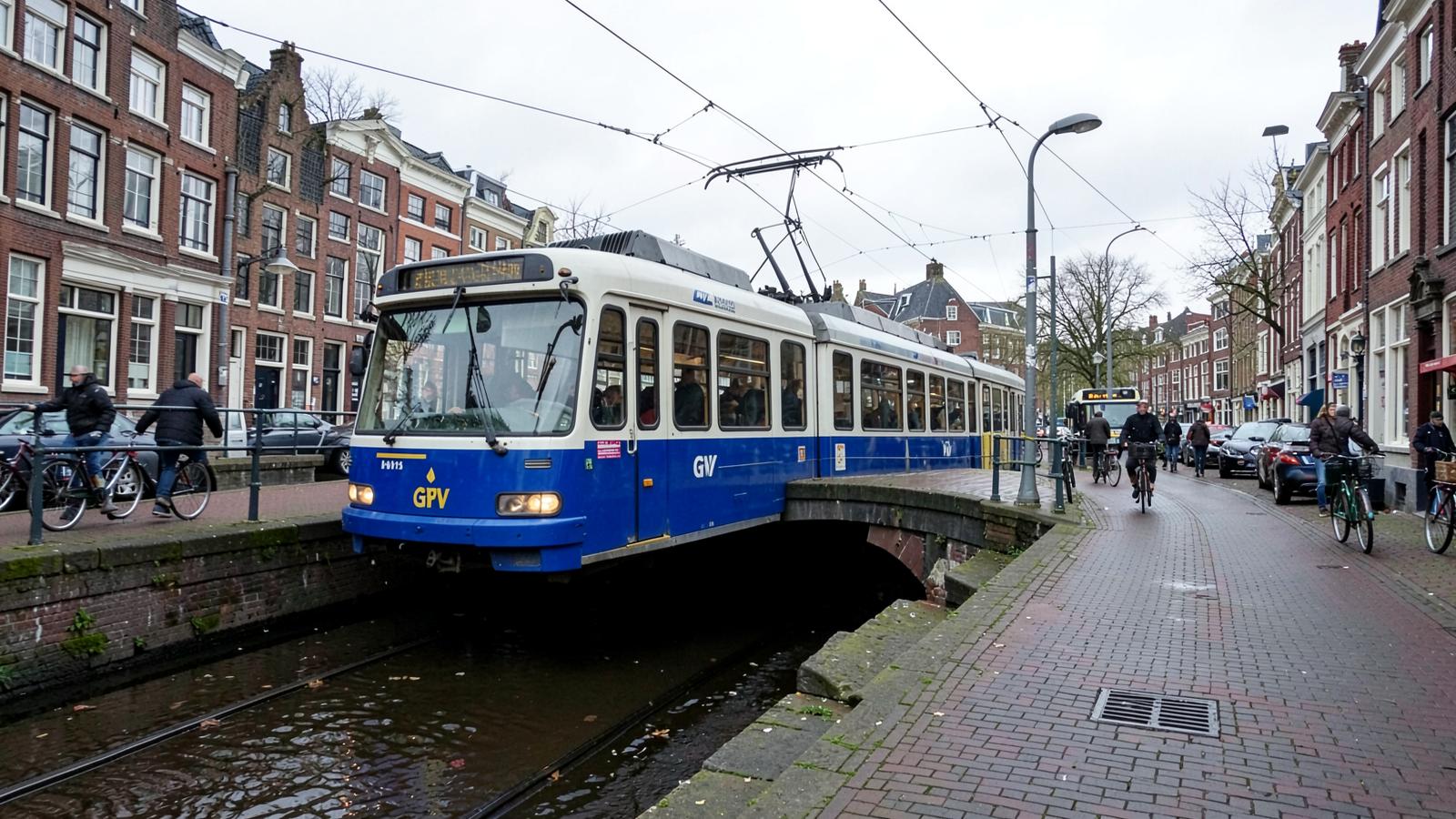
Amsterdam Public Transport: The Complete Guide to Trams, Metro, Buses and Ferries
How to use GVB trams, metro, buses and ferries in Amsterdam, from OVpay tap-in to day passes and night buses.
12 min read

Getting around
Schiphol to Amsterdam: Train, Bus, Taxi or Uber – What to Actually Take
Comparing the train, Amsterdam Express bus, taxi and Uber from Schiphol Airport to Amsterdam, with prices, times and station tips.
9 min read
Getting around
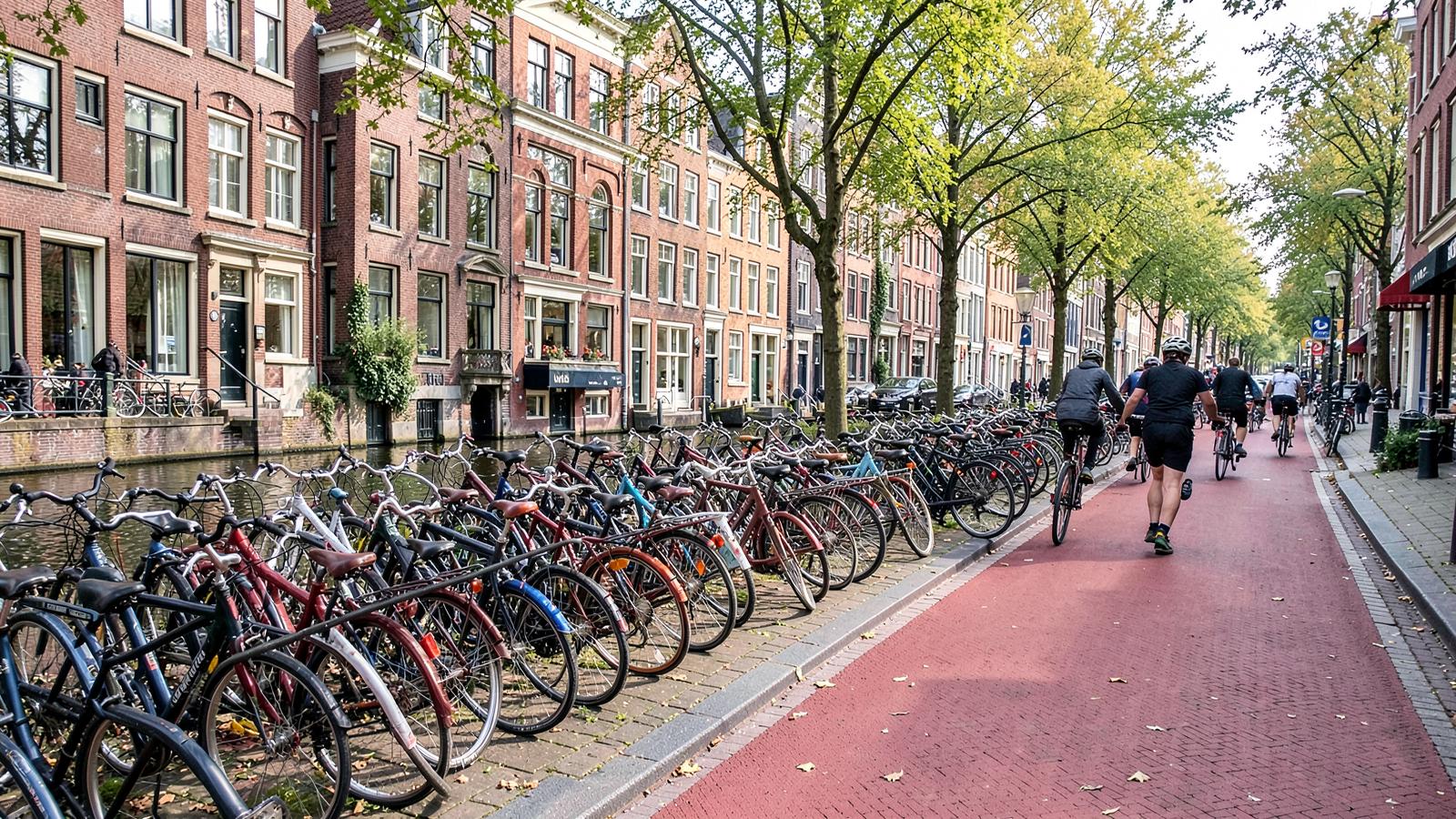
Cycling in Amsterdam: A Practical Guide for First-Timers
How to rent a bike, follow the rules and cycle safely in Amsterdam, from tram tracks to hand signals and where beginners should not ride.
11 min read
Neighbourhoods
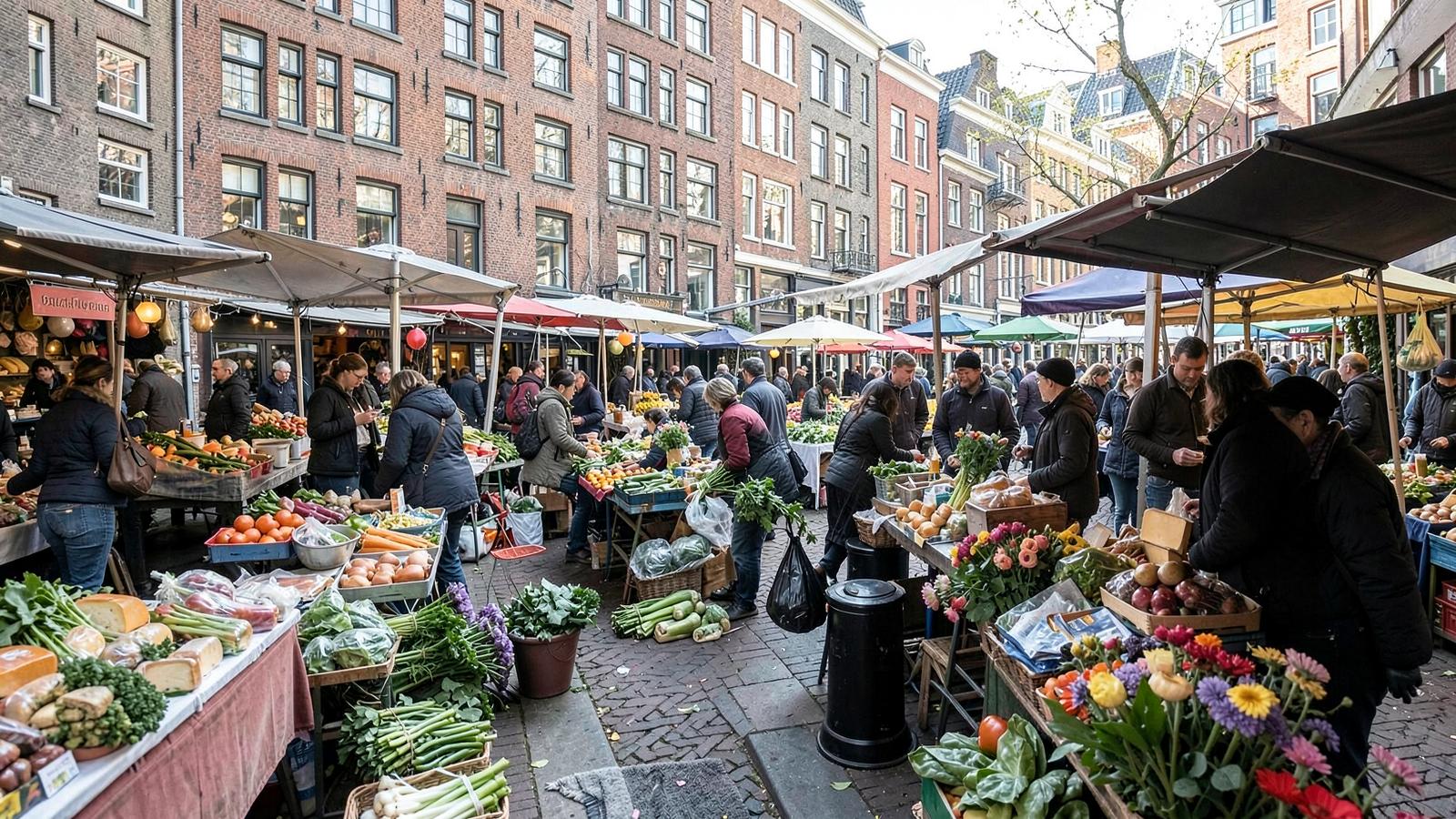
De Pijp: Amsterdam's Best Neighbourhood for Food and Markets
A guide to De Pijp: Albert Cuypmarkt, Sarphatipark, the food scene, the Heineken Experience and who it suits for a stay.
9 min read
Opening hours and prices change. Always check official websites before you travel. Read our disclaimer.