Neighbourhoods
De Pijp: Amsterdam's Best Neighbourhood for Food and Markets
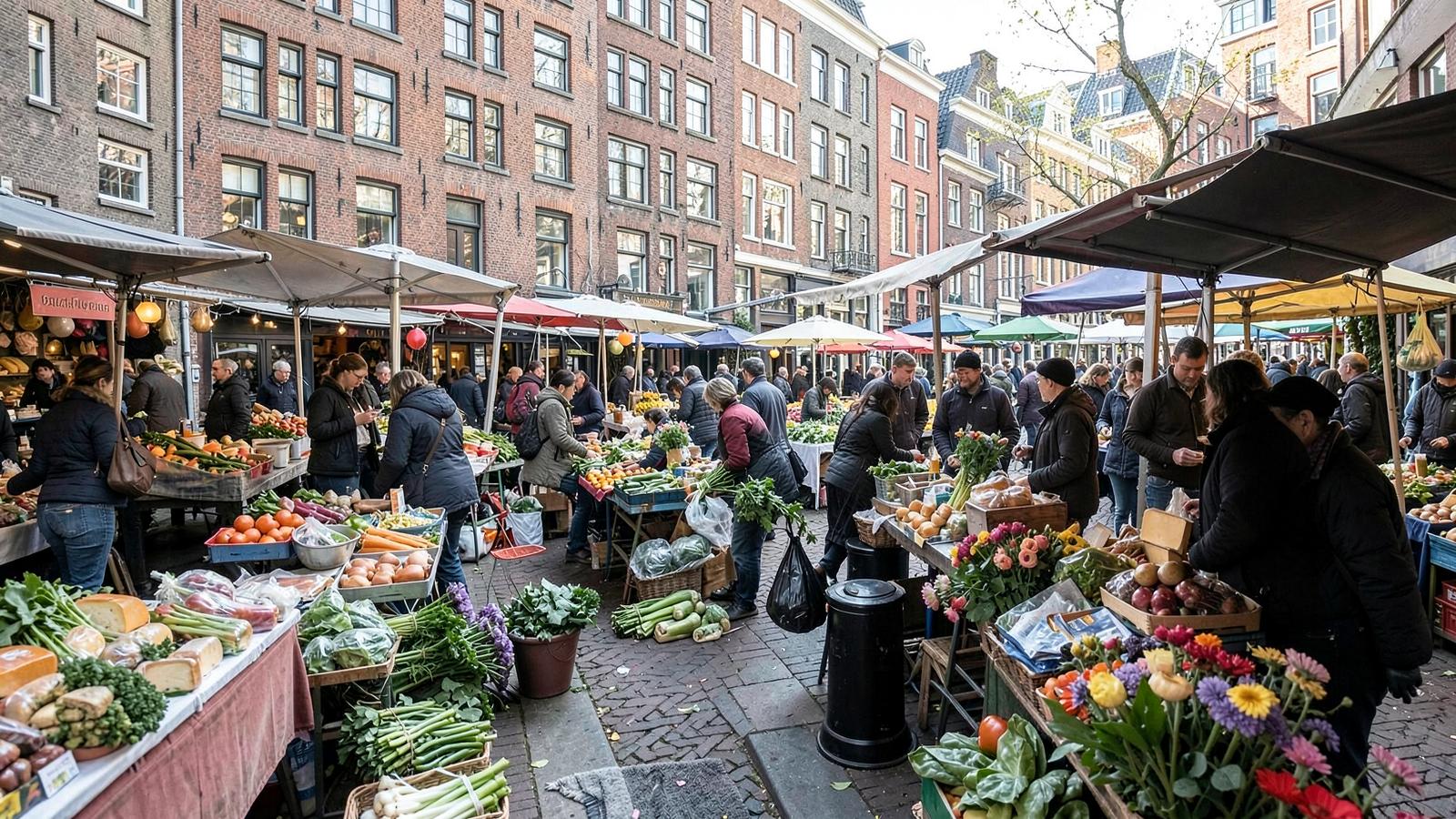
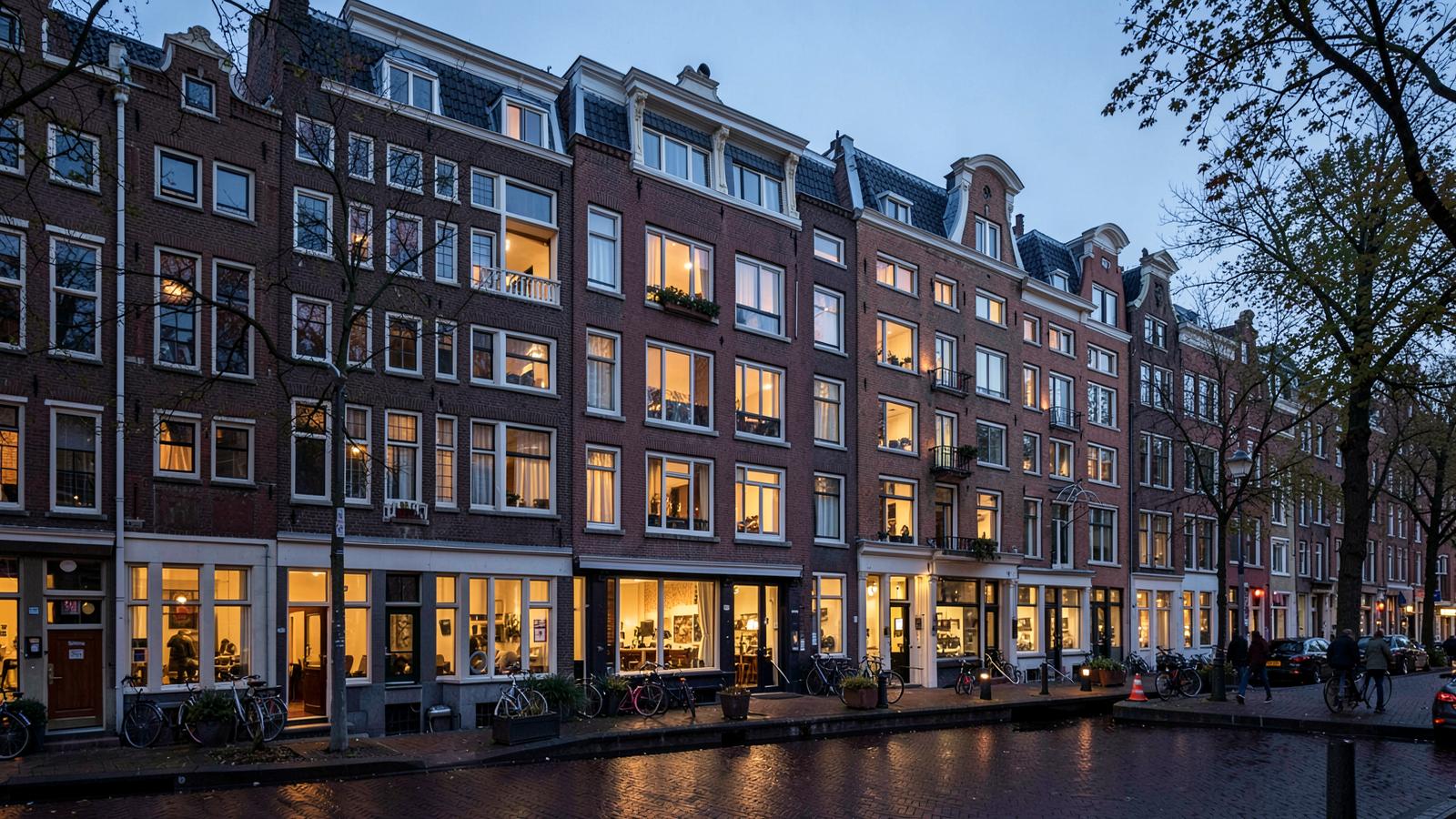
South of the canal ring, De Pijp built its reputation on the Albert Cuyp market and has grown into the neighbourhood locals point to when asked where to eat in Amsterdam. It is less about postcard views and more about daily life: markets, small kitchens and a genuinely mixed community.
De Pijp was originally 19th-century housing for workers, built in narrow, dense blocks that still shape the neighbourhood today. Over the decades it filled up with immigrants from Suriname, Morocco, Turkey and Indonesia, and their food and shops remain central to what makes De Pijp interesting. See our Amsterdam neighbourhoods guide for how it fits alongside the rest of the city.
It is one of the most densely populated parts of the Netherlands, which sounds unglamorous but translates into a lively, walkable street life that a lot of visitors end up preferring to the more polished centre.
Albert Cuypmarkt
The Albert Cuypmarkt runs along Albert Cuypstraat six days a week (closed Sundays) and is the largest daytime street market in the Netherlands. Expect fabric, cheese, fish, clothing, spices and stalls selling stroopwafels and other Dutch snacks made fresh in front of you.
- Go in the morning for the freshest produce and thinner crowds.
- Bring cash for smaller stalls, even though card payment has become more common.
- It is a working market for residents as much as a tourist stop, so prices are generally fair.
Sarphatipark
A short walk from the market, Sarphatipark is a compact, English-style park with a pond, a small monument and plenty of grass for sitting out in good weather. It is a good spot to decompress after the market's noise and crowds.
The food scene
This is De Pijp's real strength. Within a few streets you can find Surinamese roti shops, Moroccan bakeries, Indonesian warungs, and a growing number of modern, small-plates restaurants and specialty coffee bars aimed at a younger crowd.
| Type | What to try | Rough price |
|---|---|---|
| Surinamese | Roti, bara, broodje pom | Around €8–14 |
| Indonesian warung | Nasi or bami rames | Around €10–16 |
| Cheese and deli shops | Aged Gouda, tastings | Around €5–10 for a taste |
| Coffee and brunch | Specialty coffee, pastries | Around €4–12 |
Heineken Experience: an honest take
The Heineken Experience sits just north of De Pijp in the former brewery building. It is polished, family-friendly and includes tastings, but it is essentially a branded attraction rather than a working brewery tour, and tickets are priced accordingly; check current prices before booking, as they change. It is a reasonable rainy-day option alongside the ideas in our what to do when it rains guide.
If you enjoy branded experiences and want a fun hour or two with a couple of beers included, it delivers. If you are hoping for an in-depth brewing tour or genuinely local craft beer, you will get more from a small independent brewery bar in De Pijp itself.
Nightlife
De Pijp has a decent spread of bars, from casual beer cafés to a few late-opening cocktail spots, generally with a more local, less stag-do crowd than Centrum or Leidseplein. It is not a clubbing destination, but it is a good area for a relaxed evening that starts with dinner and ends with a couple of drinks nearby.
Where it suits staying
De Pijp works well if you want to eat well without spending every meal in a tourist-priced restaurant, and you do not mind being a tram ride or a 25 to 30 minute walk from Centraal Station and the main museums. It suits couples, food-focused travellers and anyone who has done the main sights before and wants a more local base on a return trip; compare it with other areas in our where to stay guide.
Getting there and around
Trams run frequently from Centraal Station and the Museum Quarter into De Pijp; the journey takes around 15 to 20 minutes by tram, and our tram guide covers the relevant lines. Cycling is straightforward and often faster once you know the route. On foot, allow 25 to 30 minutes from Centrum.
Frequently asked questions
- Is De Pijp worth visiting?
- Yes, particularly for food and market shopping. It offers a more local, less touristy experience than Centrum while staying easy to reach.
- What days is Albert Cuypmarkt open?
- It generally runs six days a week, closed on Sundays, though hours can shift seasonally, so check locally before visiting.
- Is the Heineken Experience worth the price?
- It suits visitors wanting a fun, family-friendly branded experience with tastings; it is not a deep brewery tour, so set expectations accordingly.
- Is De Pijp safe at night?
- Yes, it is generally considered a safe, residential-feeling area, with normal city-centre precautions.
- How far is De Pijp from the museums?
- It borders the Museum Quarter, so the Rijksmuseum and Van Gogh Museum are often within a 10 to 15 minute walk.
Sources
Keep reading
Guides that pair well with this one.
Neighbourhoods
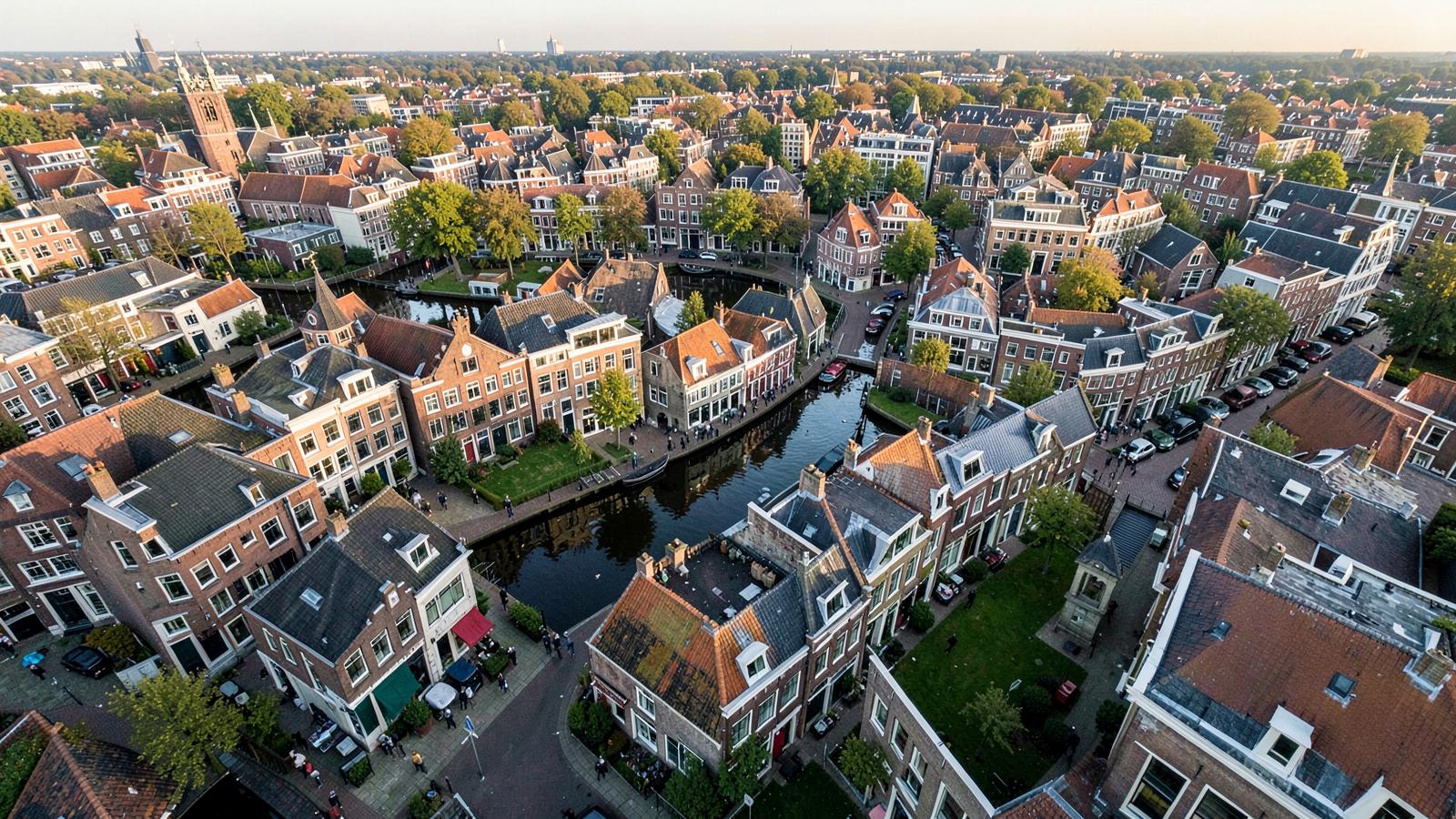
Amsterdam Neighbourhoods: A Local's Guide to Every Area
Amsterdam's neighbourhoods compared: Centrum, Jordaan, De Pijp, Oud-Zuid and more, with vibe, best-for and travel times.
12 min read
Neighbourhoods
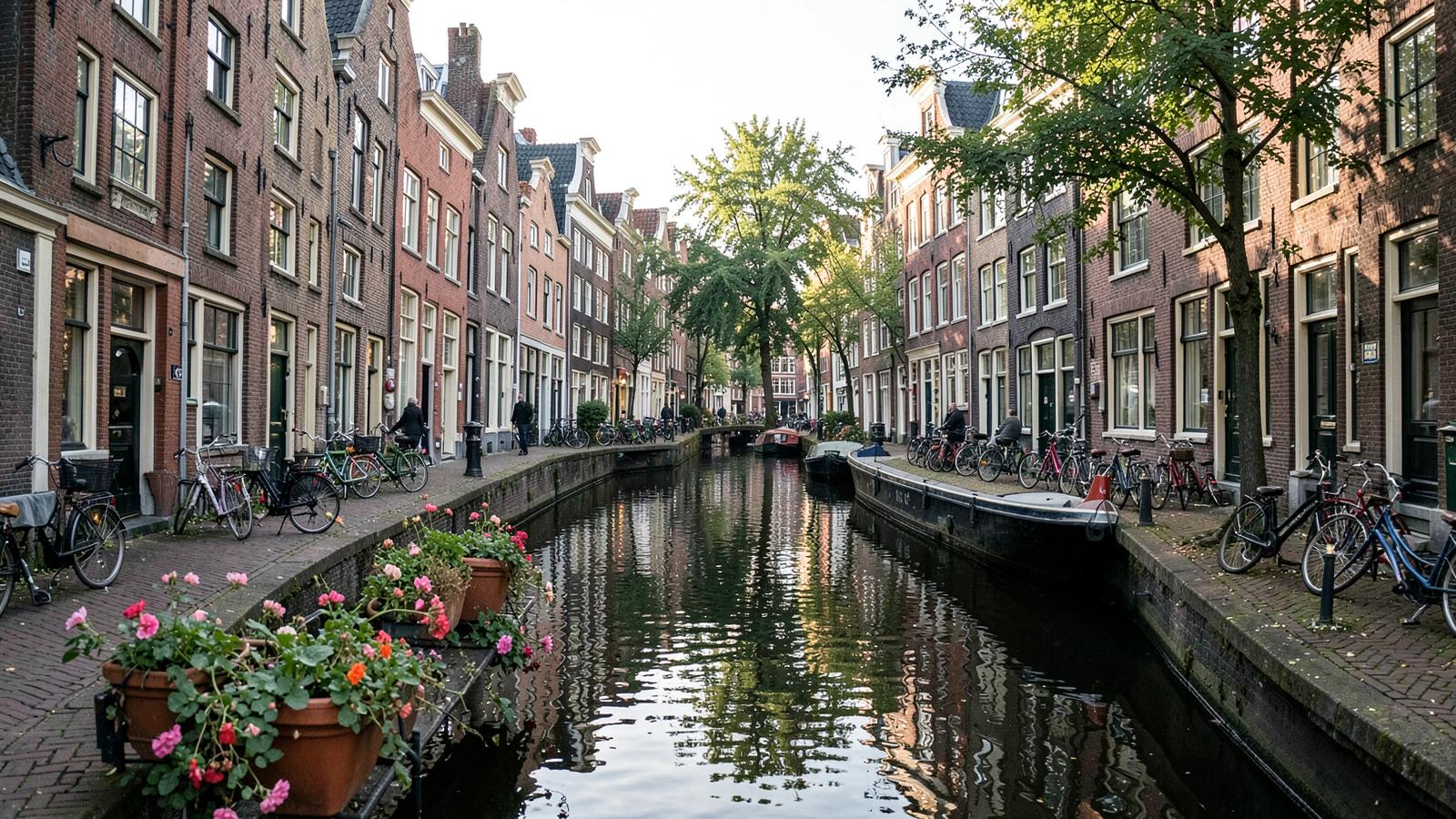
The Jordaan: Amsterdam's Prettiest Neighbourhood
What to see and do in the Jordaan: hidden hofjes, Noordermarkt, brown cafés and a self-guided walking route.
11 min read
Museums
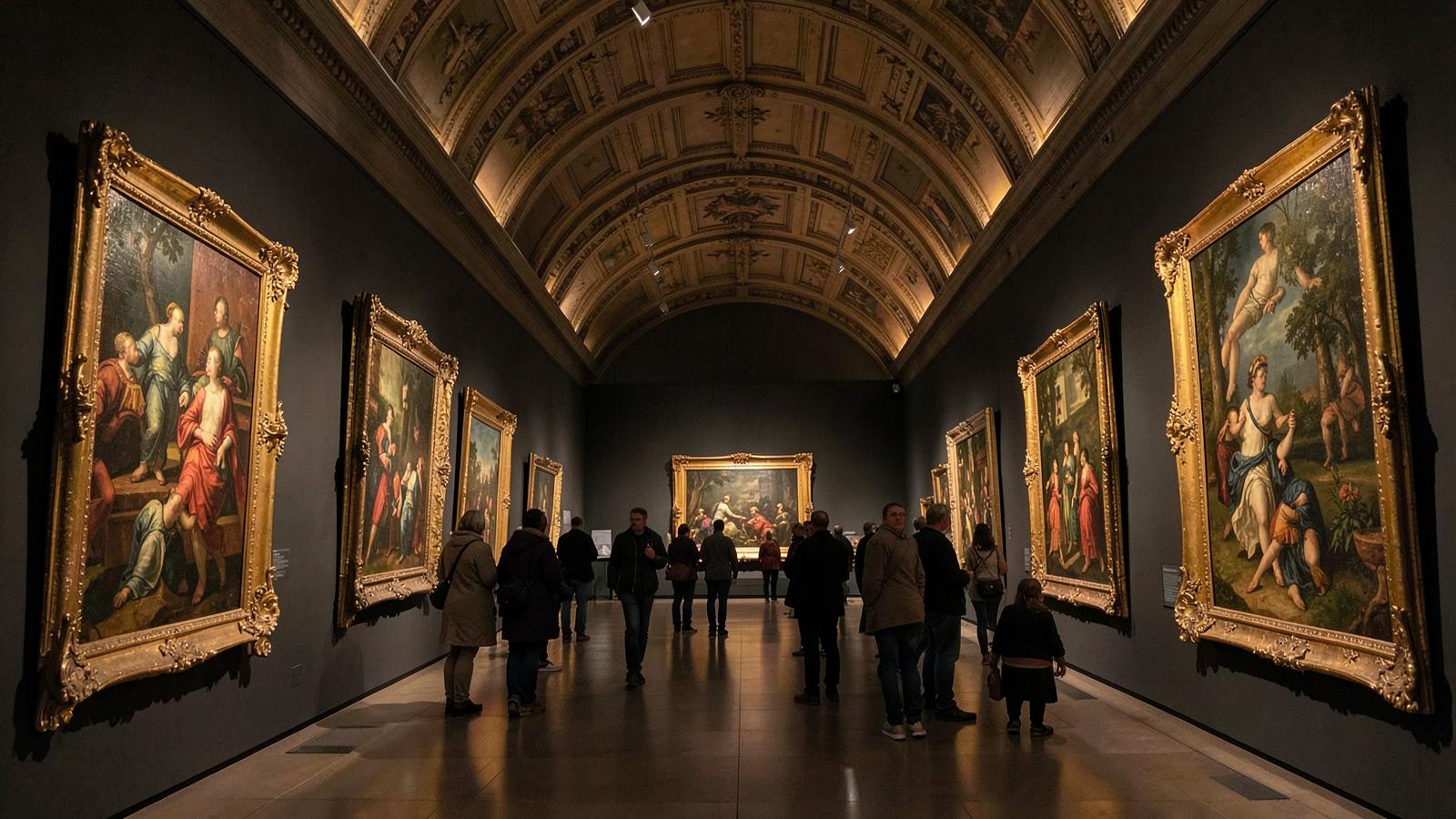
The Rijksmuseum: How to See the Best of It in Two Hours
A practical route through the Rijksmuseum, covering the Night Watch, Gallery of Honour, family options, tickets, and quiet visiting hours.
11 min read
Where to stay
Where to Stay in Amsterdam: A Neighbourhood-by-Neighbourhood Guide
Which Amsterdam neighbourhood to book depending on your trip: first-timers, families, couples, budget, nightlife and near Centraal.
12 min read
Opening hours and prices change. Always check official websites before you travel. Read our disclaimer.