Food & drink
Amsterdam Coffee Culture: What Visitors Should Know
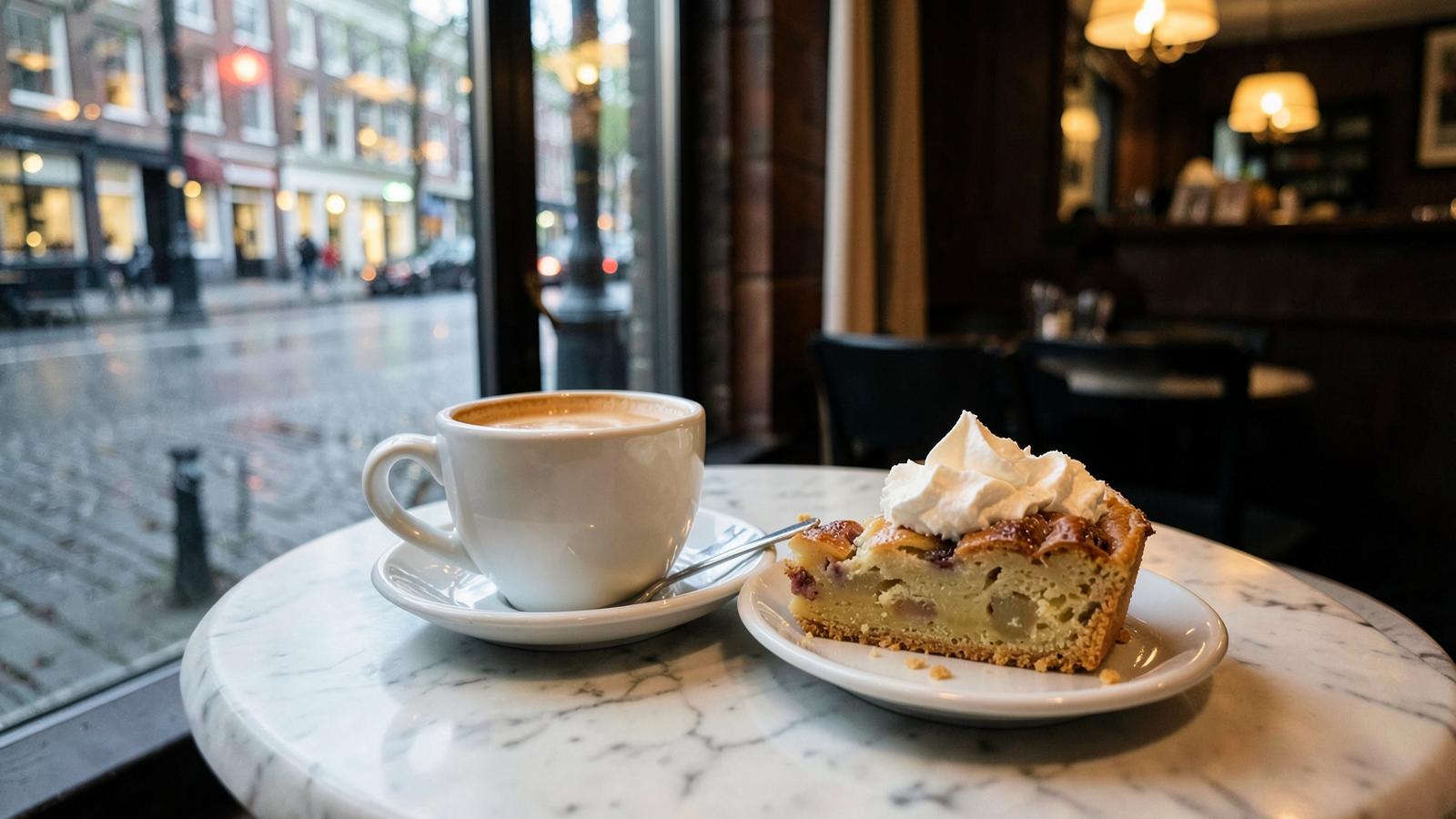
One word trips up more visitors than any other in Amsterdam: coffeeshop. Getting the vocabulary straight first will save confusion, and once that's sorted, there's a genuinely good coffee scene here worth knowing how to use properly, from old-fashioned brown bars to a serious third-wave roasting culture.
There is no polite way to soften this: in Amsterdam, a 'coffeeshop' is a licensed venue that sells cannabis, not a place to get a flat white. If you want coffee, you're looking for a café, a koffiehuis, a 'grand café', or a 'bruin café' (brown bar), which usually also serves coffee alongside beer. The words look and sound similar enough in passing that mixing them up is one of the most common visitor mistakes in the city.
Café vs coffeeshop vs brown bar
| Term | What it actually is |
|---|---|
| Café / koffiehuis | A normal coffee and light-food venue |
| Coffeeshop | A licensed venue selling cannabis; coffee is often not the point |
| Bruin café (brown bar) | A traditional, often dark-wood pub serving drinks and usually coffee, named for age-darkened walls |
| Grand café | A larger, often more formal café-restaurant, good for breakfast or lunch |
If you're planning a visit built around cannabis specifically, that's a separate topic outside what this guide covers; this article is about coffee. For general safety context around both, see our guide to whether Amsterdam is safe.
What to order
A regular filter or espresso-based coffee is simply 'koffie'. The distinctly Dutch order worth knowing is koffie verkeerd, literally 'coffee wrong' — a milky coffee similar to a latte, made with roughly equal parts coffee and warm milk. Other useful terms:
- Koffie: regular coffee, often served with a small biscuit or piece of chocolate.
- Koffie verkeerd: milky coffee, closer to a latte.
- Cappuccino/latte: widely understood and served the same as elsewhere.
- Espresso: a short, strong shot, sometimes called 'espresso' or simply 'koffie sterk'.
- Thee: tea, usually served plain with the bag on the side rather than milk added automatically.
Appeltaart met slagroom
Dutch apple cake (appeltaart), thick, cinnamon-heavy and dense rather than a thin pastry tart, served warm with a generous dollop of unsweetened whipped cream (slagroom), is the standard pairing with an afternoon coffee. It's worth ordering at a traditional café rather than a specialty roaster, where the food menu tends to be smaller. For more on classic Dutch dishes and snacks worth trying alongside it, see our guides to traditional Dutch food and Dutch snacks.
Specialty roasters and the third-wave scene
Alongside the traditional café scene, Amsterdam has a genuinely strong specialty coffee culture: small independent roasters, pour-over and single-origin options, and a level of seriousness about sourcing and preparation you'd expect from a food-focused city. These spots tend to cluster in De Pijp, the Jordaan and around Oud-West, often in small, minimalist spaces with limited seating.
What a coffee actually costs
Prices vary by venue type more than by drink. Expect a modest premium at specialty roasters over a standard brown café, and a further step up for anywhere directly on a main tourist square. None of these figures are fixed, so treat them as a rough guide rather than a menu price.
| Venue type | Typical coffee price band | Notes |
|---|---|---|
| Brown café / traditional koffiehuis | Lower end of the range | Often includes a small biscuit or chocolate |
| Specialty roaster | Mid-to-upper range | Pour-over and single-origin options cost more than a standard espresso drink |
| Grand café | Mid range | Good for a slower breakfast or lunch stop |
| Tourist-square cafés (Dam Square, Leidseplein) | Highest range | Pay more for the view and location than the coffee itself |
Coffee to go and cycling with a cup
Takeaway coffee culture exists but is smaller than in some cities; many venues encourage sitting in, and lids for cycling are not always sturdy. If you plan to cycle with a coffee, as covered in our cycling in Amsterdam guide, it is safer and more normal to finish a drink at the café first, since balancing a cup while riding on cobbles and tram tracks is a genuine hazard rather than a minor inconvenience.
Laptop and working etiquette
Some specialty coffee bars are happy for people to sit and work for hours over a single coffee; others, particularly smaller ones with limited seats, discourage it or ban laptops outright during busy periods, sometimes with a sign at the door. Traditional cafés and brown bars are generally not places to set up a laptop at all — they're social spaces built around conversation and drinks rather than solo work. If in doubt, ask before opening a laptop.
Tipping
Tipping in cafés is optional and modest. Rounding up the bill or leaving a small amount of loose change is normal for a couple of coffees; a service charge is not added automatically the way it might be elsewhere.
Opening hours and ordering in Dutch or English
Most cafés open by 8–9am and many close by early evening unless they double as a bar at night; brown bars tend to run later. English is spoken fluently at essentially every café in the city, so ordering in English causes no issues at all, though staff generally appreciate a Dutch 'alstublieft' (please) or 'dank u wel' (thank you) tacked on.
Best neighbourhoods for coffee
| Area | What it's known for |
|---|---|
| De Pijp | Specialty roasters alongside the Albert Cuypmarkt food scene |
| Jordaan | Traditional brown bars and small independent cafés |
| Oud-West | A newer, design-led café scene |
| Centrum / Negen Straatjes | A dense mix of both traditional cafés and specialty spots |
The Negen Straatjes is a good starting point if you want café options within a short walk of the main canal ring, while Amsterdam Noord has a smaller but growing scene worth a detour if you're already heading that way. If your first coffee stop is straight off a flight, note that Schiphol's own cafés are reasonable for a quick espresso but not representative of the city scene; see our Schiphol airport guide for what's actually available airside.
Frequently asked questions
- Is a coffeeshop the same as a café in Amsterdam?
- No. A coffeeshop is a licensed venue that sells cannabis; a café or koffiehuis is where you get coffee. The two are not interchangeable, and mixing up the terms is a common visitor mistake.
- What is koffie verkeerd?
- It translates as 'coffee wrong' and is a milky coffee made with roughly equal parts coffee and warm milk, similar to a latte.
- Can I work on a laptop in Amsterdam cafés?
- It depends on the venue. Some specialty coffee bars welcome it, others discourage it, especially when busy or short on seating, and traditional brown bars generally aren't set up for it at all.
- Do I need to tip at a café in Amsterdam?
- No, tipping isn't expected. Rounding up or leaving small change is normal but optional.
- Is English enough to order coffee in Amsterdam?
- Yes, English is spoken fluently at virtually every café in the city.
- Where is the best area for specialty coffee in Amsterdam?
- De Pijp and Oud-West have the strongest concentrations of specialty roasters, with the Jordaan better for traditional brown-bar coffee.
Sources
Keep reading
Guides that pair well with this one.
Food & drink
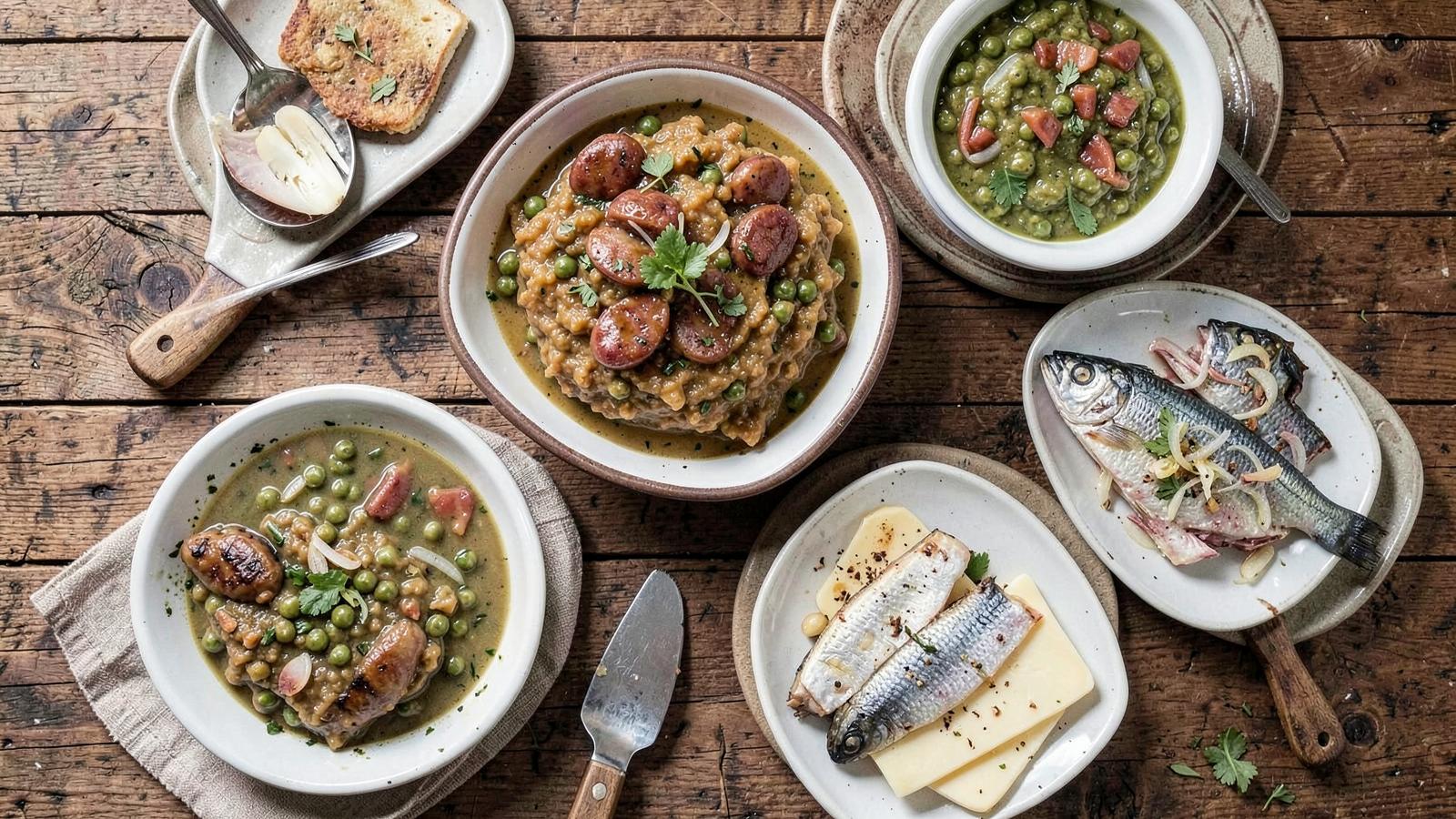
Traditional Dutch Food to Try in Amsterdam
A practical guide to Dutch, Indonesian and Surinamese dishes worth trying in Amsterdam, where to find them, and roughly what they cost.
10 min read
Food & drink
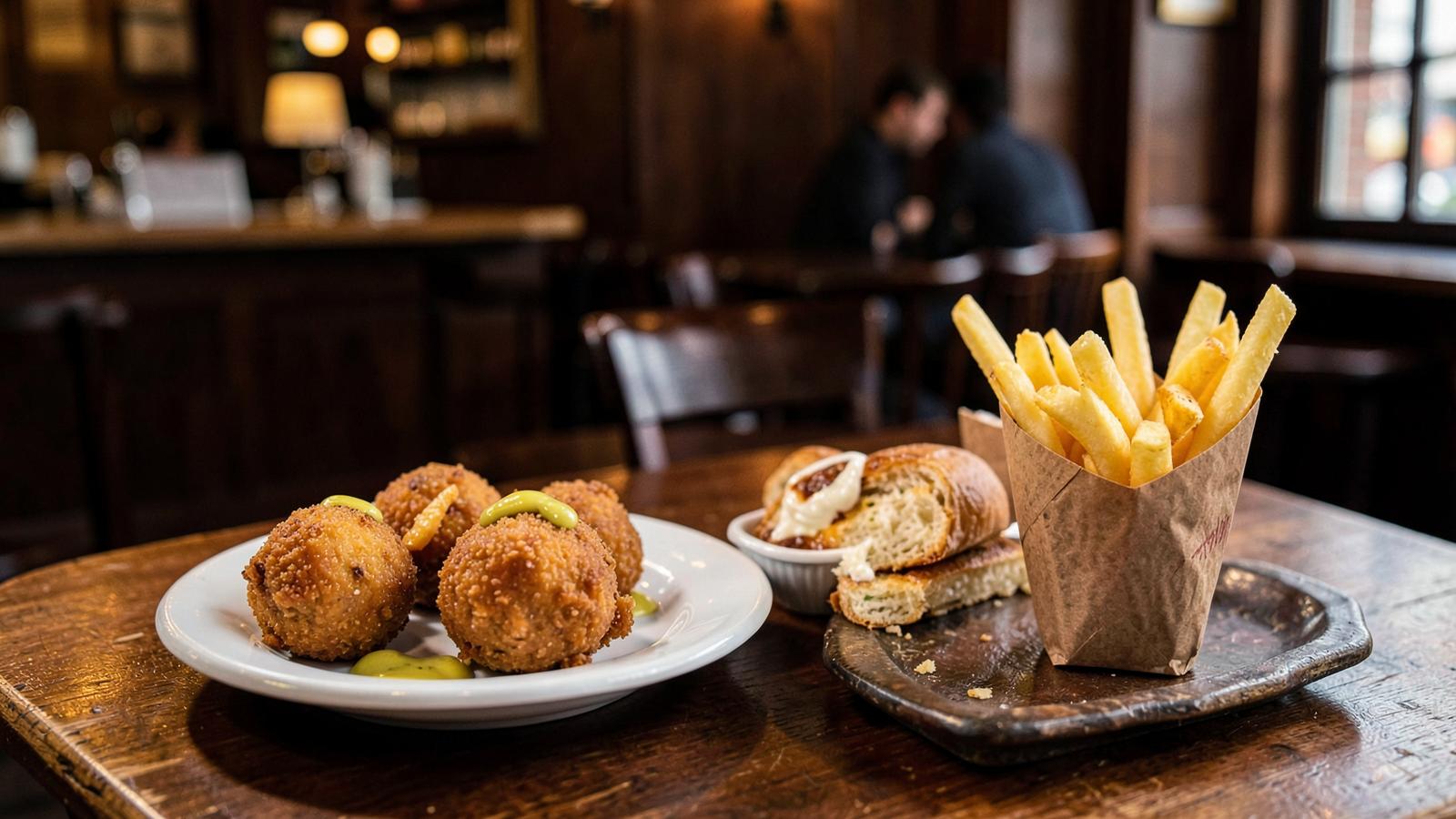
Best Dutch Snacks to Try in Amsterdam
A guide to Amsterdam's best snacks: bitterballen, stroopwafels, frites, FEBO walls, drop, tompouce and oliebollen, with prices and etiquette.
9 min read
Neighbourhoods
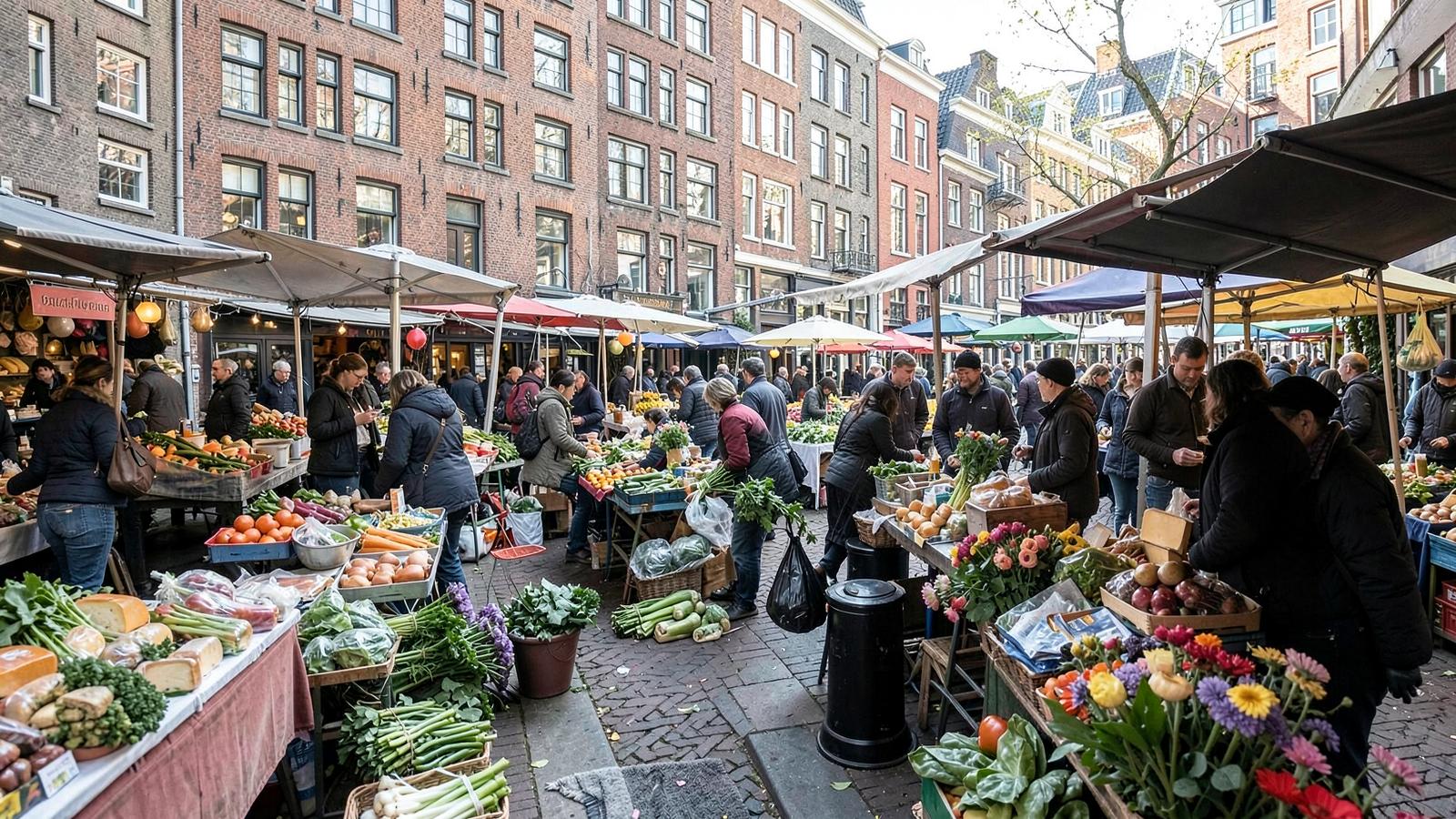
De Pijp: Amsterdam's Best Neighbourhood for Food and Markets
A guide to De Pijp: Albert Cuypmarkt, Sarphatipark, the food scene, the Heineken Experience and who it suits for a stay.
9 min read
Neighbourhoods
Oud-West Amsterdam: What to See, Eat and Do
A guide to Oud-West: Foodhallen and De Hallen, Ten Katemarkt, Kinkerstraat, the Vondelpark edge and staying in the neighbourhood.
9 min read
Opening hours and prices change. Always check official websites before you travel. Read our disclaimer.