Food & drink
Best Dutch Snacks to Try in Amsterdam
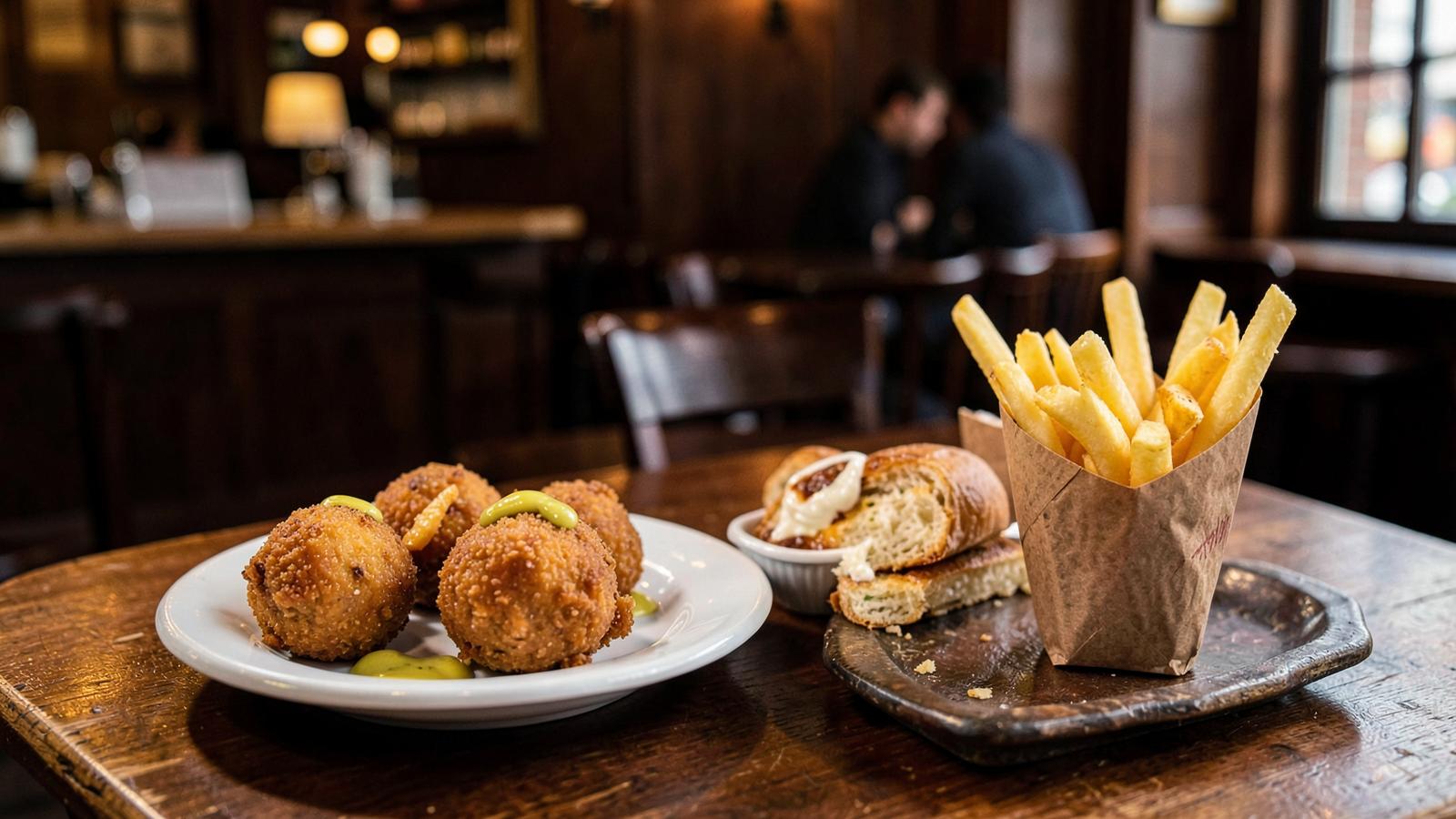
Snacking is practically a national pastime in the Netherlands, and Amsterdam has a full ecosystem built around it: fried snacks from a wall, sweet things from a market stall, and a whole culture of small bites eaten alongside a beer at borrel time. None of it is meant to be fancy; most of it is meant to be eaten standing up, on the move, or shared over drinks.
Snacks here fall into two broad categories: the deep-fried, beer-friendly kind eaten at a bar or a wall vending machine, and the sweeter, market-stall kind eaten on the street. Both are worth building into a day of sightseeing, and both are cheap enough to try several without planning a whole meal around them.
Stroopwafel: best eaten fresh
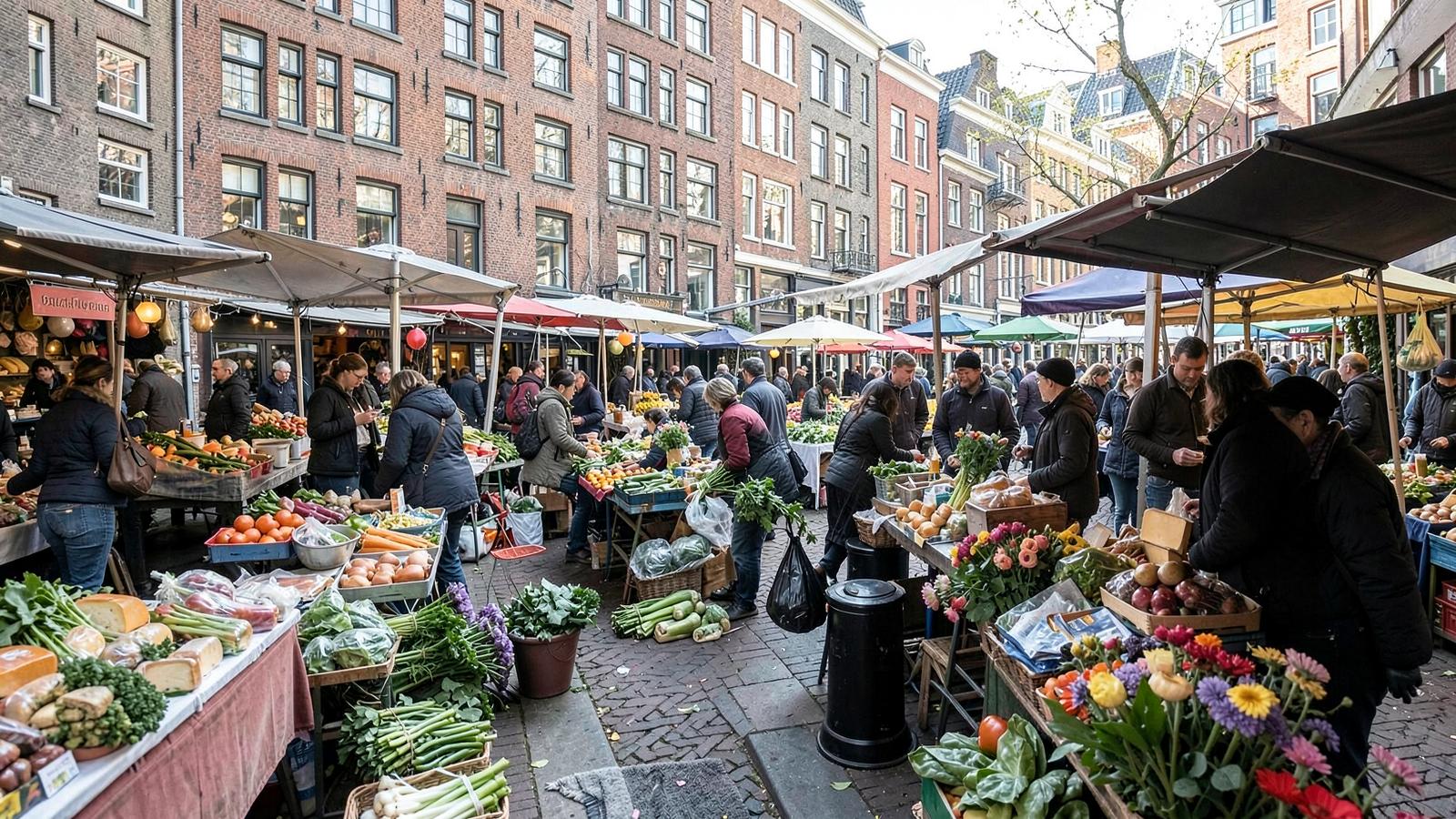
A stroopwafel is two thin, crisp waffle layers with a caramel-syrup filling pressed between them. The packaged version sold in supermarkets is fine, but the ones made fresh at market stalls — pressed to order and served warm, so the filling is still soft — are a genuinely different thing. Look for stalls at Albert Cuypmarkt or other city markets rather than souvenir shops.
- Fresh, made-to-order: around €3–5.
- Packaged supermarket versions: a few euros for a stack of several.
- A classic trick is resting one over a hot cup of coffee or tea so the caramel softens further.
Bitterballen and kroketten
Bitterballen are small, round, deep-fried balls of ragout — usually beef, sometimes veal — coated in breadcrumbs, served with mustard for dipping. Kroketten are the same idea in a longer, cylindrical shape, sometimes served on a slice of bread as a light lunch (broodje kroket). Both are standard bar food, ordered by the portion of six or eight to share with drinks.
Frites and sauces
Dutch frites are thick-cut and double-fried, served in a paper cone, and the sauce culture matters as much as the fries themselves. Mayonnaise is the default rather than ketchup; other common options include peanut sauce (satésaus), curry ketchup, and 'oorlog' ('war'), a combination of mayonnaise, peanut sauce and chopped onion.
| Sauce | What it is |
|---|---|
| Mayonaise | Standard Dutch mayonnaise, the default order |
| Satésaus | Peanut-based sauce |
| Oorlog | Mayonnaise, satésaus and onion combined |
| Curry | Curry-spiced ketchup-style sauce |
FEBO and the snack wall
Amsterdam's late-night fried-food walls, best known through the FEBO chain, work like a vending machine: coin-operated or card-paid hatches built into the wall, each holding a hot kroket, burger or bitterbal that you pull open and take. It's not fine food, but it's a genuine bit of Amsterdam street culture, especially popular after a night out, and worth trying once for the novelty as much as the taste.
Broodje haring
A soft white roll filled with raw, lightly cured herring, chopped onion and pickle, sold from the same harbour-style stalls that sell loose herring. It's a proper snack-meal rather than a small bite, and one of the cheaper hot-or-cold options you'll find on the street. For more on herring and other Dutch dishes, see our guide to traditional Dutch food in Amsterdam.
Poffertjes
Small, fluffy mini-pancakes served in a stack with butter and icing sugar, sold at markets and fairground-style stalls, best eaten while they're still warm.
Tompouce
A rectangular puff-pastry slice filled with custard cream and topped with pink icing (orange icing appears around King's Day), sold in bakeries across the city. It's closer to a pastry-shop treat than a street snack, best bought fresh from a bakery counter rather than pre-packaged.
Drop: Dutch liquorice
Drop covers a huge range of liquorice sweets, from mild and sweet to intensely salty (zoute drop), which can be a genuine shock to visitors expecting something closer to British or American liquorice. It's sold everywhere from supermarkets to specialist sweet shops, usually in small bags for a few euros, and worth trying a mixed bag rather than committing to a full one before you know your tolerance.
Oliebollen: a winter-only treat
Oliebollen are deep-fried dough balls, sometimes studded with raisins or currants, dusted heavily with icing sugar. They're strongly associated with New Year and appear at stalls across the city from roughly December, largely disappearing again once the season passes, so this one is genuinely seasonal rather than year-round.
Snack etiquette
Fried snacks at a bar are almost always ordered to share rather than one each, arriving on a single plate with communal mustard or mayonnaise. Street snacks like frites or a broodje haring are eaten standing, on the move, or at a nearby bench rather than carried into cafés and restaurants. Tipping isn't expected at snack bars or walls, though rounding up is normal.
- Bitterballen (portion of 6–8): around €7–10.
- Frites (regular, with sauce): around €4–6.
- Broodje haring: around €4–6.
- Poffertjes (full stack): around €7–9.
- Tompouce: around €3–4.
- Oliebol: around €1.50–3.
Frequently asked questions
- What is the most famous Dutch snack?
- Bitterballen are probably the best-known, alongside stroopwafels for something sweet, and both are widely available across Amsterdam.
- What is FEBO?
- FEBO is a chain of coin- or card-operated snack walls where hot kroketten, bitterballen and burgers are sold through vending-style hatches, a distinctly Amsterdam late-night snacking habit.
- What sauce goes with Dutch frites?
- Mayonnaise is the default, with peanut sauce (satésaus) and 'oorlog', a mix of mayonnaise, peanut sauce and onion, as popular alternatives to ketchup.
- When can I get oliebollen?
- Oliebollen are a winter and New Year speciality, sold from stalls roughly from December, and largely unavailable the rest of the year.
- Is Dutch liquorice the same as British liquorice?
- No. Dutch drop covers a wide range including strongly salted varieties that taste quite different from British or American liquorice sweets.
Sources
Keep reading
Guides that pair well with this one.
Food & drink
Traditional Dutch Food to Try in Amsterdam
A practical guide to Dutch, Indonesian and Surinamese dishes worth trying in Amsterdam, where to find them, and roughly what they cost.
10 min read
Food & drink
Amsterdam Coffee Culture: What Visitors Should Know
How to navigate cafés, coffeeshops and brown bars in Amsterdam, what to order, laptop etiquette, tipping and the best areas for coffee.
10 min read
Practical
Amsterdam on a Budget: How to Save Money
Tactical ways to cut costs in Amsterdam: free sights, museum pass maths, cheap eats, transport savings, and a sample daily budget.
10 min read
Neighbourhoods
De Pijp: Amsterdam's Best Neighbourhood for Food and Markets
A guide to De Pijp: Albert Cuypmarkt, Sarphatipark, the food scene, the Heineken Experience and who it suits for a stay.
9 min read
Opening hours and prices change. Always check official websites before you travel. Read our disclaimer.