Neighbourhoods
Amsterdam Neighbourhoods: A Local's Guide to Every Area
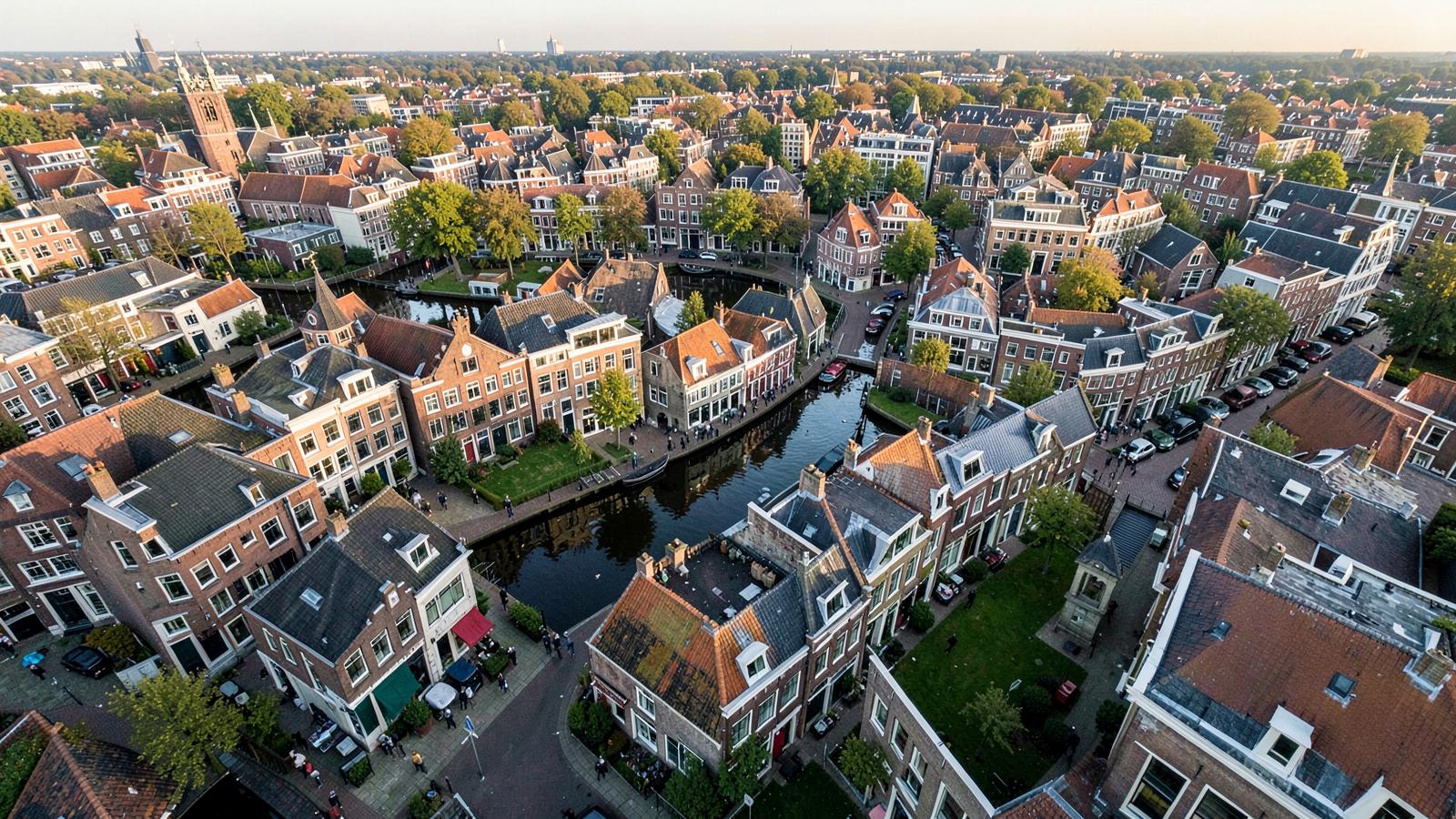
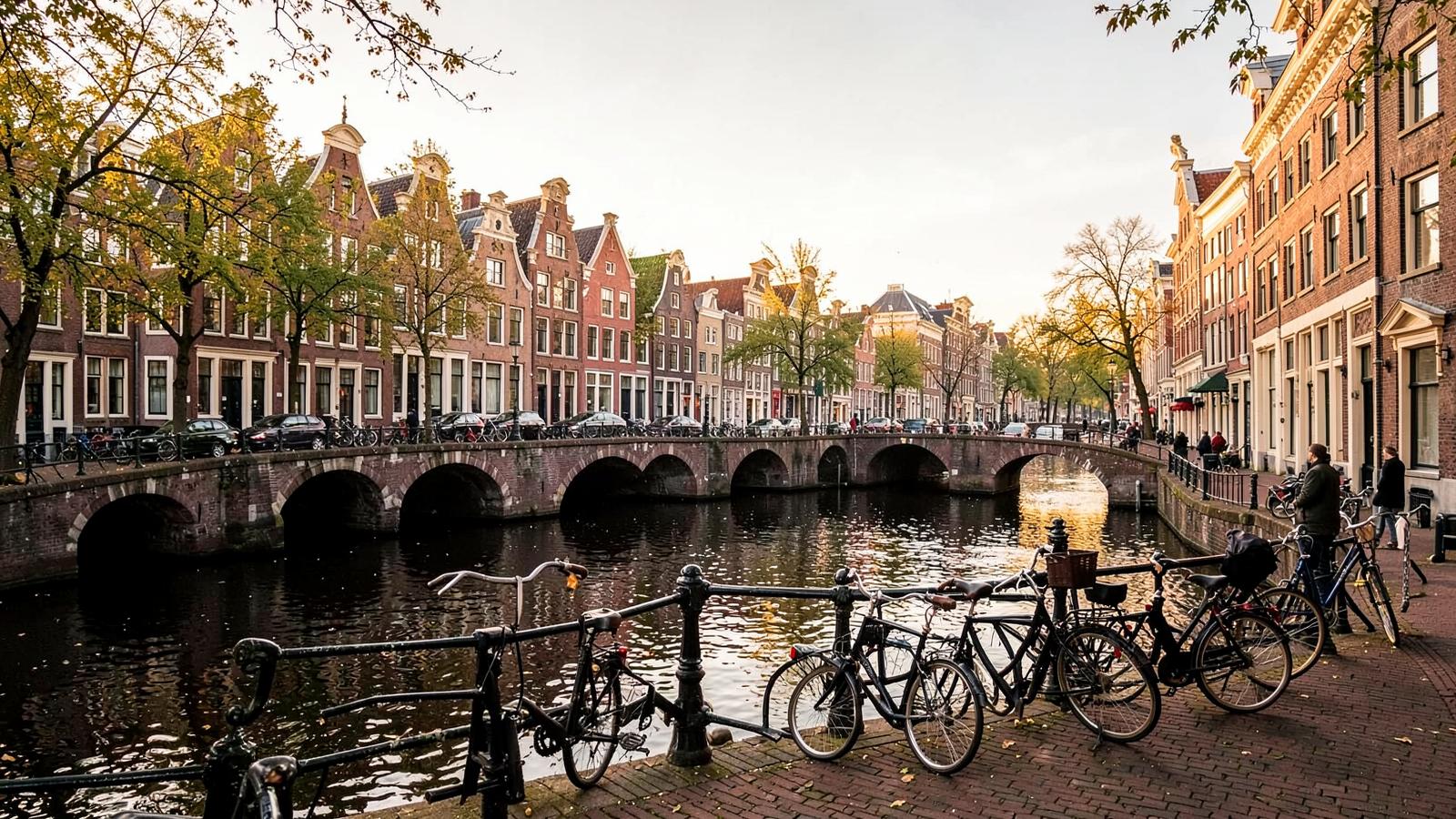
Amsterdam is small, but it is not one thing. The medieval Centrum, the gabled Jordaan, the market streets of De Pijp and the concrete towers of Zuidas all sit within a twenty-minute cycle of each other, and each feels like a different city. This guide walks through the main neighbourhoods so you can work out where to spend your time, and where to stay.
Most visitors only see the Centrum and the canal ring, which is understandable but a bit of a shame. Amsterdam's neighbourhoods each have their own rhythm, and a lot of what locals actually enjoy about the city happens outside the tourist core. If you only have a couple of days, our 2-day itinerary shows how to combine a few of these areas efficiently.
Below is a practical overview of nine areas worth knowing, followed by a comparison table to help you plan routes and, if you are booking a stay, pick a base.
Centrum: the historic core
Centrum covers the medieval city, the Red Light District, Dam Square, Nieuwmarkt and the canal belt closest to the station. It is where most first-time visitors spend their time, for good reason: the Anne Frank House, the approach streets to the Rijksmuseum and countless canal views are all here.
It is also the busiest and, in places, the most touristy part of the city, especially around Damrak and the Red Light District at night. Stay here if you want to walk everywhere and do not mind crowds; avoid it if you want quiet evenings.
Jordaan: canals and quiet corners
West of the centre, the Jordaan is a former working-class district turned into one of the prettiest parts of the city, full of narrow canals, hidden courtyards (hofjes) and independent shops, bordering the boutique streets of De 9 Straatjes. It is calmer than Centrum but still very walkable to it.
De Pijp: markets and multicultural food
South of the centre, De Pijp grew up around the Albert Cuyp street market and has become one of Amsterdam's best neighbourhoods for eating out, with a strong mix of Surinamese, Moroccan, Indonesian and modern Dutch food. It has a younger, more local feel.
Oud-West and Oud-Zuid
Oud-West, around Foodhallen and Vondelpark's western edge, is a food-and-drink neighbourhood with a relaxed, slightly younger crowd. Oud-Zuid, bordering Vondelpark on the other side, is quieter and more affluent, home to the Museum Quarter (the Rijksmuseum, Van Gogh Museum and Concertgebouw).
Noord: across the water
Reached by a free GVB ferry from behind Centraal Station, Noord was industrial and is now home to the EYE Filmmuseum, NDSM Wharf's creative warehouses and a growing food scene. It feels more spread out and less polished, which is part of the appeal.
Oost, Westerpark and Zuidas
Oost (East) is residential with pockets of interest around Tropenmuseum and Oosterpark, popular with locals rather than tourists. Westerpark, built around the park and old gasworks site (Westergasfabriek), has a laid-back, creative feel with markets and events. Zuidas is Amsterdam's business district: glass towers, good public transport, and not much charm, but useful if you are here for work.
How the neighbourhoods compare
| Area | Vibe | Best for | Walk to Centraal |
|---|---|---|---|
| Centrum | Historic, busy, touristy | First-time sightseeing | 0–15 min |
| Jordaan | Quiet, pretty, canalside | Strolling, cafés, galleries | 15–20 min |
| De Pijp | Lively, multicultural food scene | Eating out, markets | 25–30 min |
| Oud-West | Relaxed, foodie, young | Food halls, Vondelpark | 25–30 min |
| Oud-Zuid | Refined, museum district | Museums, upmarket shopping | 25–35 min |
| Noord | Industrial-creative, up-and-coming | Day trips, nightlife, views | 10 min ferry + walk |
| Oost | Residential, local | Quiet stays, Oosterpark | 20–25 min |
| Westerpark | Laid-back, green, creative | Parks, events, markets | 20 min |
| Zuidas | Business, modern | Work trips, transport links | 10 min by metro |
Getting between neighbourhoods
Amsterdam is genuinely compact. Most of these areas are within a 20 to 30 minute walk of each other, and Amsterdam's public transport network of trams, buses and the metro connects them all. Cycling is often the fastest way to move between neighbourhoods once you are comfortable with Dutch cycling norms.
- Trams radiate out from Centraal Station and cover Centrum, Jordaan, De Pijp and the Museum Quarter well.
- The metro is quickest for Noord, Zuidas and the outer east.
- GVB ferries behind Centraal Station to Noord are free and run frequently, day and night.
- Walking is often just as fast as transport for Centrum to Jordaan or De Pijp.
Which neighbourhood suits you
If it is your first visit and you want everything on foot, stay in or near Centrum but pick a quieter street away from Damrak. If you want charm and canals with a bit more peace, Jordaan is hard to beat. For food-focused trips, De Pijp or Oud-West deliver the most variety per square metre. Families often do well in Oud-Zuid, close to Vondelpark and museums; see Amsterdam with kids for more on that angle.
Whatever you choose, expect to end up crossing into two or three other neighbourhoods anyway. That is normal, and part of the fun of a city this size. If you have longer, the 3-day itinerary makes good use of it.
Frequently asked questions
- Which Amsterdam neighbourhood is best for first-time visitors?
- Centrum or the edge of Jordaan, since both keep major sights within walking distance while Jordaan offers a slightly calmer base.
- Is Amsterdam Noord worth visiting?
- Yes, especially for the EYE Filmmuseum, NDSM Wharf and a more industrial, creative atmosphere than the centre. The GVB ferry across is free and takes a few minutes.
- Where do locals actually live and hang out?
- Oost, Westerpark, De Pijp and parts of Noord have a stronger local feel than Centrum, which is dominated by visitors.
- Is De Pijp or Jordaan better for food?
- De Pijp generally has a wider and more affordable range, especially around Albert Cuypmarkt, while Jordaan leans towards cosy brown cafés and a few notable restaurants.
- How far apart are Amsterdam's neighbourhoods?
- Most central and near-central neighbourhoods are within a 20 to 30 minute walk of each other, or under 15 minutes by bike.
Sources
Keep reading
Guides that pair well with this one.
Neighbourhoods
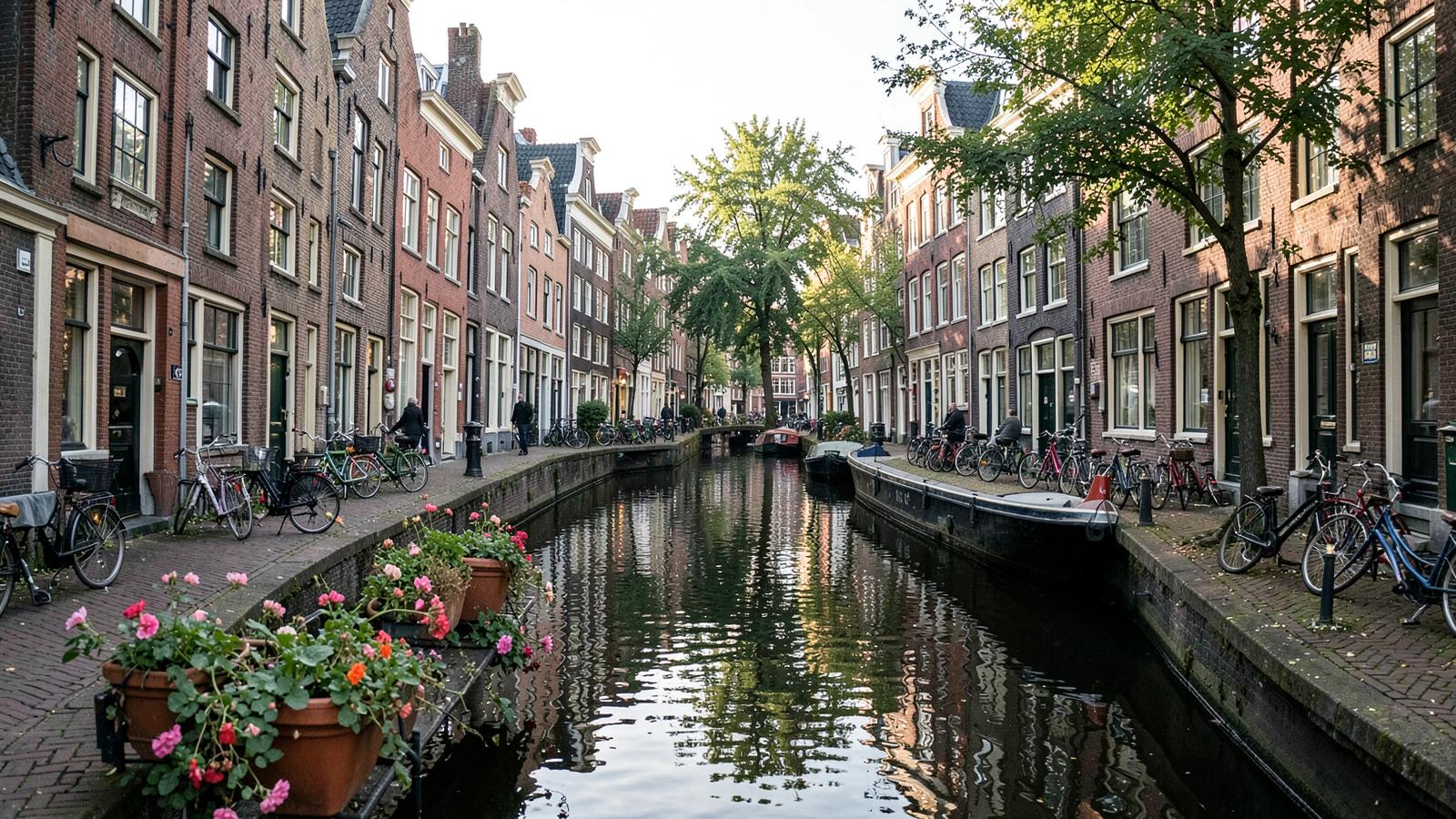
The Jordaan: Amsterdam's Prettiest Neighbourhood
What to see and do in the Jordaan: hidden hofjes, Noordermarkt, brown cafés and a self-guided walking route.
11 min read
Neighbourhoods
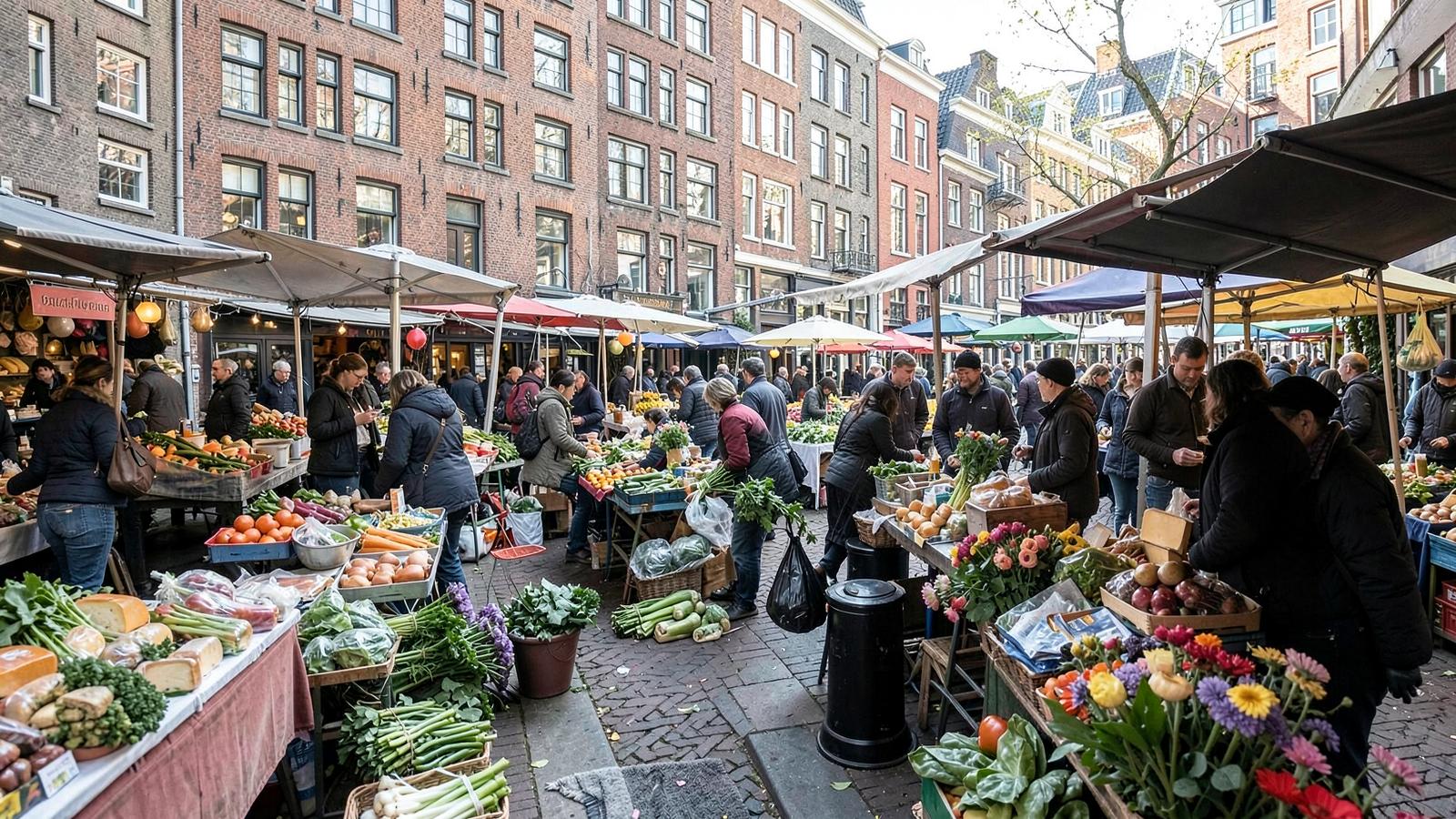
De Pijp: Amsterdam's Best Neighbourhood for Food and Markets
A guide to De Pijp: Albert Cuypmarkt, Sarphatipark, the food scene, the Heineken Experience and who it suits for a stay.
9 min read
Where to stay
Where to Stay in Amsterdam: A Neighbourhood-by-Neighbourhood Guide
Which Amsterdam neighbourhood to book depending on your trip: first-timers, families, couples, budget, nightlife and near Centraal.
12 min read
Things to do
The Best Things to Do in Amsterdam
The best things to do in Amsterdam, from the Rijksmuseum to the free Noord ferry, with practical booking and timing advice.
13 min read
Opening hours and prices change. Always check official websites before you travel. Read our disclaimer.