Getting around
How to Use the Amsterdam Metro
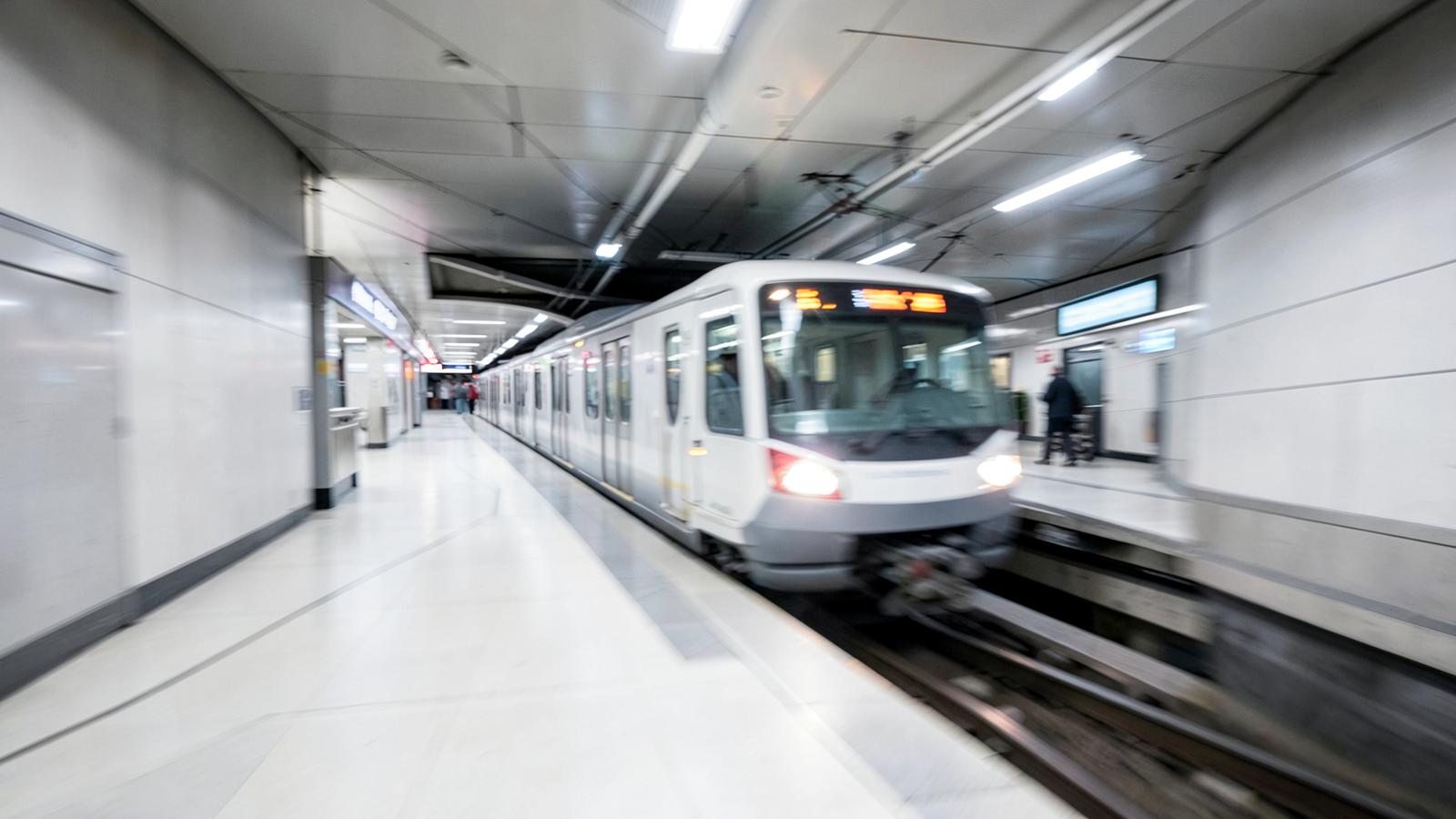
The metro is the part of Amsterdam's network visitors tend to overlook, since the trams get all the postcard attention, but for anything beyond the compact centre it is usually the quickest option. This guide covers the five lines, the gated stations, and where the metro genuinely beats waiting for a tram.
GVB's metro network is small compared with London or Paris, just five lines, but it does a specific job well: covering longer distances fast, in a straight line, underneath or above the traffic. It complements rather than replaces the tram network, and both slot into the wider public transport system.
The five lines: 50, 51, 52, 53, 54
Each line is known by its number rather than a name, though locals often call line 52 the Noord/Zuidlijn (North/South line) since it is the newest and most talked-about addition to the network.
| Line | Route | Useful for |
|---|---|---|
| 50 | Isolatorweg to Gein, via Zuid and Amstel | Cutting east-west through the south of the city |
| 51 | Isolatorweg/Centraal to Amstelveen/Westwijk | Reaching Amstelveen and the southern suburbs |
| 52 | Amsterdam Noord to Zuid, via Centraal | Fast north-south run, Noord to the centre in minutes |
| 53 | Centraal to Gaasperplas | Eastern districts and the Bijlmer area |
| 54 | Centraal to Gein | Similar eastern corridor with slightly different stops |
Line 52 is the one most visitors will actually use, since it links Centraal Station directly to Amsterdam Noord in a couple of minutes underground, then continues south through Vijzelgracht and De Pijp to Zuid. Before it opened, Noord was really only reachable by ferry or bus, so it has quietly changed how people cross the IJ.
Where the metro beats the tram
Trams are better for short, scenic hops through the centre, but the metro wins whenever you are covering real distance or need to avoid surface traffic entirely.
- Centraal to Amsterdam Zuid: the metro is underground and unaffected by street congestion, usually faster than any tram combination.
- Centraal to Amsterdam Noord: line 52 takes a few minutes; the alternative is a free ferry, pleasant but slower.
- Reaching the RAI exhibition centre or Zuidas business district: both sit directly on metro lines with no tram equivalent as direct.
- Travelling to the eastern suburbs like Bijlmer or Gaasperplas, well outside typical tram coverage.
- Rush hour: metro trains run in their own tunnels or on elevated track, so they are not affected by tram or car congestion in the way surface transport can be.
Key interchanges: Centraal, Zuid and Noord
Amsterdam Centraal
The metro station sits beneath the main railway station, connected by escalators and lifts. It is the busiest interchange in the system, where you can switch between all metro lines except 51, plus trams, buses, ferries and NS trains, including services from Schiphol.
Amsterdam Zuid
A major hub for both metro and NS intercity trains, including some international and Schiphol services, and increasingly important as the Zuidas business district grows around it. If you are staying near the RAI or Zuidas, this is likely to be your local station.
Amsterdam Noord
The northern terminus of line 52, useful for reaching the NDSM Wharf, EYE Filmmuseum and the wider Noord neighbourhood, which has developed fast since the metro arrived. A short bus or cycle ride connects the station to sights further from the metro itself.
Check-in and check-out gates
Unlike trams and buses, every metro station is fully gated. You cannot reach the platform without tapping in with OVpay, a contactless bank card or phone, or a valid GVB ticket, at the yellow poles by the entrance, and you tap out the same way when you leave.
Frequency and operating hours
Metro trains run roughly every five to ten minutes during the day, dropping to around every ten to fifteen minutes in the evening. Services generally start around 6am on weekdays (a little later on Sundays) and run until roughly midnight to 1am, though exact times vary slightly by line, so check the GVB app for your specific route on the day.
Night service
The metro itself does not run all night. Once it stops, GVB's network of night buses (numbered in the 300s) takes over on the busiest corridors, including routes covering Centraal, Noord and the southern suburbs, though at a reduced frequency. If you are relying on getting home late, check timings before you head out.
Accessibility and luggage
Metro stations are generally the most accessible part of the GVB network: nearly all have lifts between street level and platforms, and trains have level, step-free boarding, which makes the metro a reliable option if you use a wheelchair, have a pushchair, or are travelling with heavy luggage. This is a genuine advantage over some older tram stops in the centre, where steps or gaps are more common.
There is no dedicated luggage storage on board, so keep bags with you and out of the aisle where possible. If you are heading to or from Schiphol, remember the metro does not reach the airport directly; that connection is via NS trains, which do have more luggage space.
Connecting to Schiphol
The metro network does not serve Schiphol Airport at all. To reach it, take an NS train from Amsterdam Centraal, Zuid or Sloterdijk, all of which connect to the metro, then continue by rail directly to Schiphol Plaza in around 15 to 20 minutes. See our guides on how early to arrive at Schiphol and the Schiphol Airport guide for the full journey.
Final tips
Treat the metro as your tool for distance, not sightseeing: it is fast, gated, accessible and reliable, but you will not see much of the city from underground. Combine it with trams for shorter hops and walking for the centre itself, and it becomes an efficient way to reach Noord, Zuid or the eastern suburbs without a second thought. For ticket options across the whole network, see our comparison of Amsterdam travel cards.
Frequently asked questions
- Which metro line goes to Amsterdam Noord?
- Line 52 runs directly from Centraal Station to Amsterdam Noord in a few minutes, making it the fastest way across the IJ besides the free ferries.
- Do I need to tap in and out on the metro even with a day pass?
- Yes. Every station is gated, so you must tap your pass, OVpay card or phone at the entrance and exit gates on every journey, regardless of ticket type.
- Does the metro run to Schiphol Airport?
- No, the metro does not reach Schiphol. You need to take an NS train from a station such as Centraal, Zuid or Sloterdijk, all of which connect to the metro network.
- Is the Amsterdam metro accessible for wheelchairs?
- Yes, almost all stations have lifts and trains offer level boarding, making the metro generally more accessible than some older tram stops.
- What happens after the metro stops running at night?
- Night buses in the 300 series cover the main metro corridors, including routes to Noord and the southern suburbs, though less frequently than daytime metro trains.
Sources
Keep reading
Guides that pair well with this one.
Getting around
Amsterdam Public Transport: The Complete Guide to Trams, Metro, Buses and Ferries
How to use GVB trams, metro, buses and ferries in Amsterdam, from OVpay tap-in to day passes and night buses.
12 min read
Getting around
The Amsterdam Tram Guide: Key Lines, Fares and Etiquette
How Amsterdam's trams work, the most useful lines for visitors, boarding rules, fares and unwritten etiquette to know before you ride.
9 min read
Neighbourhoods
Amsterdam Noord: What to See and Do
A guide to Amsterdam Noord: free IJ ferries, NDSM wharf street art, A'DAM Lookout, EYE Filmmuseum and the old village streets.
10 min read
Getting around
Schiphol Airport Guide for First-Time Visitors
How Schiphol's single-terminal layout, halls, security and train station work, plus tips on food, lounges, transfers and common mistakes.
11 min read
Opening hours and prices change. Always check official websites before you travel. Read our disclaimer.